A rainy morning, three hungry kids and a stove that refuses to light: how to keep camp mealtimes calm
It happens fast: a long hike ends at 5 p.m., everyone is tired, and you need dinner before the family melts down. Family camping meal planning is what keeps those moments manageable. Start by deciding a short list of reliable meal formats, then match them to your schedule, gear and the ages of your kids. The tips below turn a chaotic evening into a few simple decisions that consistently work.
Plan by format, not by recipe
Instead of packing a dozen different recipes, pick 4–6 meal formats you know your family likes and rotate them. Formats are faster to shop for, easier to prep, and flexible when weather or timing changes.
- One-pot dinners (stews, chili, pasta): minimal dishes and forgiving.
- Grill or foil packets: fast, portable, and fun for kids to customize.
- Sheet-pan style on a camp table or camp stove: one baking tray, easy cleanup.
- Cold meals/assemble bowls (wraps, sandwiches, grain bowls): no cooking required for quick lunches or hot days.
- Breakfast stations (oatmeal bar, egg scramble, pancake mix): repeatable and kid-friendly.
Build a 3-meal template you can repeat
For busy camp days, use a simple daily template: easy breakfast + packed lunch + a flexible, satisfying dinner. Example:
- Breakfast: instant oats or scrambled eggs with fruit.
- Lunch: wrap or sandwich with pre-cooked protein and fresh veg.
- Dinner: one-pot pasta or foil packets with roasted veg and protein.
This predictable rhythm reduces decision fatigue and helps you shop and pack more efficiently.
Smart meal prep before you leave
Do as much work as possible at home where you have space and tools.
- Cook proteins in advance: shredded chicken, taco meat, and meatballs freeze or refrigerate well and reheat on the stove.
- Chop veg and store in labeled, stackable containers—keeps the cooler organized and makes dinner assembly fast.
- Pre-mix dry pancake or breadcrumb blends in zip bags so you only add water or egg at the site.
- Assemble any multi-ingredient meals (like kebabs or foil packets) on trays, then wrap and refrigerate or freeze flat to save space.
Packing checklist for a stress-free camp kitchen
Some specialized gear shortens cook time and cleanup. Bring only what you’ll actually use, but these items earn their space for family trips.
- Reliable cooler with ice packs and a thermometer to keep perishables safe overnight.
- 1–2 good pots (including a larger one for one-pot meals) and a skillet; a Dutch oven is great if you’ll use it regularly.
- Collapsible sink or basin for washing, plus biodegradable soap.
- Long-handled tongs, spatula, ladle and a sharp knife in a sheath.
- Plates and bowls that stack (see Camping Dinnerware), plus reusable cups and cutlery.
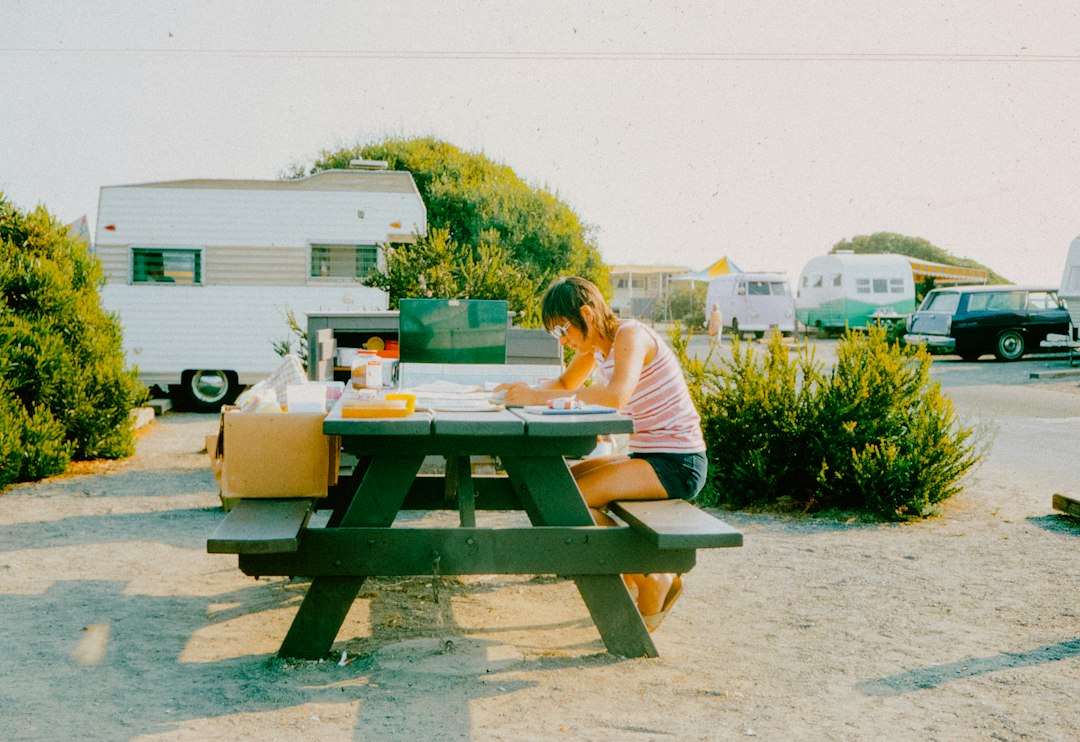
For a sturdy, family-sized prep surface, consider a camp table so kids aren’t crowded around a single pot:

Quick wins for busy evenings
When time is short, use tactics that cut steps:
- Sheet-pan or foil packet dinners—toss everything together and roast or grill while kids finish up activities.
- Heat-and-serve sides: pre-cooked rice or quinoa reheat quickly in a pot.
- Set up an “assembly station” where kids build their own plates—tacos, salad bowls, or hot dogs. It keeps them busy and reduces serving time.
- Stagger cooking: start a simmering one-pot dish early in the afternoon so it’s ready by dinner time without last-minute fuss.
Keep food safe with family-sized habits
Food safety is non-negotiable with kids. Use the cooler strategically: store items that must stay cold in the center, insulated with frozen water bottles around them. Monitor the cooler temperature and replenish ice nightly. When in doubt, reheat to a visible boil or 165°F for leftovers.
Kid-tested meal ideas that travel well
Here are practical meals that are portable, quick, and appeal to picky eaters.
- One-pot spaghetti with hidden veg: toss grated carrot or zucchini into the sauce while it simmers.
- Taco night with pre-cooked seasoned beef or beans, soft tortillas and simple toppings.
- Foil packet salmon or chicken with sliced potatoes and green beans—seal and heat over coals.
- Mason-jar layered salads or yogurt parfaits for grab-and-go lunches.
- Breakfast burritos: scramble eggs, add cheese and pre-cooked sausage, wrap and grill briefly.
Adjusting for toddlers and early eaters
Toddlers need predictable textures and smaller portions. Pack soft snacks, cut fruit into easy-to-handle pieces, and keep a stash of familiar shelf-stable pouches or squeezes. When cooking, separate a small portion before you add strong spices. For more on toddlers at camp, see our related guide: Camping With Toddlers.
How to manage dishes without stress
Fewer dishes = less friction. Use these habits:
- One-pot meals whenever possible and paper towels for quick wipe-downs.
- Divide dish duty into short, kid-sized tasks: scrape plates, stack bowls, rinse pans.
- Soak pots in hot soapy water as soon as dinner is done to make scrubbing later much easier.
Grocery list template for a 3-day family trip
Adopt this high-level list and adapt to your family size and preferences:

- Proteins: pre-cooked chicken, ground beef or plant-protein cans
- Carbs: tortillas, instant rice/quinoa, pasta
- Produce: apples, bananas, carrots, bell peppers, pre-washed salad greens
- Dairy/alt: shredded cheese, yogurt cups, milk or shelf-stable milk
- Basics: olive oil, salt, pepper, spice packet, butter, coffee/tea
- Snacks: granola bars, trail mix, crackers, marshmallows for a treat
Final decision: pick the meal format that matches your trip
If you can only choose one dependable strategy for the whole weekend, pick one-pot meals. They require less gear, scale easily for family portions, and tolerate schedule shifts. Make one-pot your backbone and sprinkle in grill nights or cold lunches for variety.
- Choose 4–6 meal formats to rotate
- Pre-cook and portion proteins before you go
- Pack a reliable cooler and monitor ice each night
- Bring a small, stable prep surface or camp table
- Plan one “finish-early” meal for long activity days
Keep meals simple by planning formats, doing heavy prep at home, and relying on one-pot dinners for busy evenings. A small amount of prep and one or two reliable gear pieces will turn most stressful camp mealtimes into calm family dinners.
How much food should I pack per person for a weekend trip?
Plan roughly 2–3 meals plus snacks per day: about 1–1.5 pounds of perishable food per adult per day (including meat, dairy, produce) and slightly less for children, adjusted for appetite and activity level.
Can I rely on foil packet meals for picky eaters?
Yes—foil packets let you separate proteins and veggies so picky eaters can have plain options while adventurous eaters try seasoned packets.
What’s a low-gear option for families who don’t want to cook?
Cold meals like wraps, charcuterie-style plates, and ready-to-eat salads require minimal gear and are great when you want low effort or bad weather prevents cooking.
How do I keep food safe overnight without electricity?
Use a high-quality cooler, pre-freeze water bottles to act as ice, keep the cooler shaded, and open it minimally. Replace ice nightly for multi-day trips.