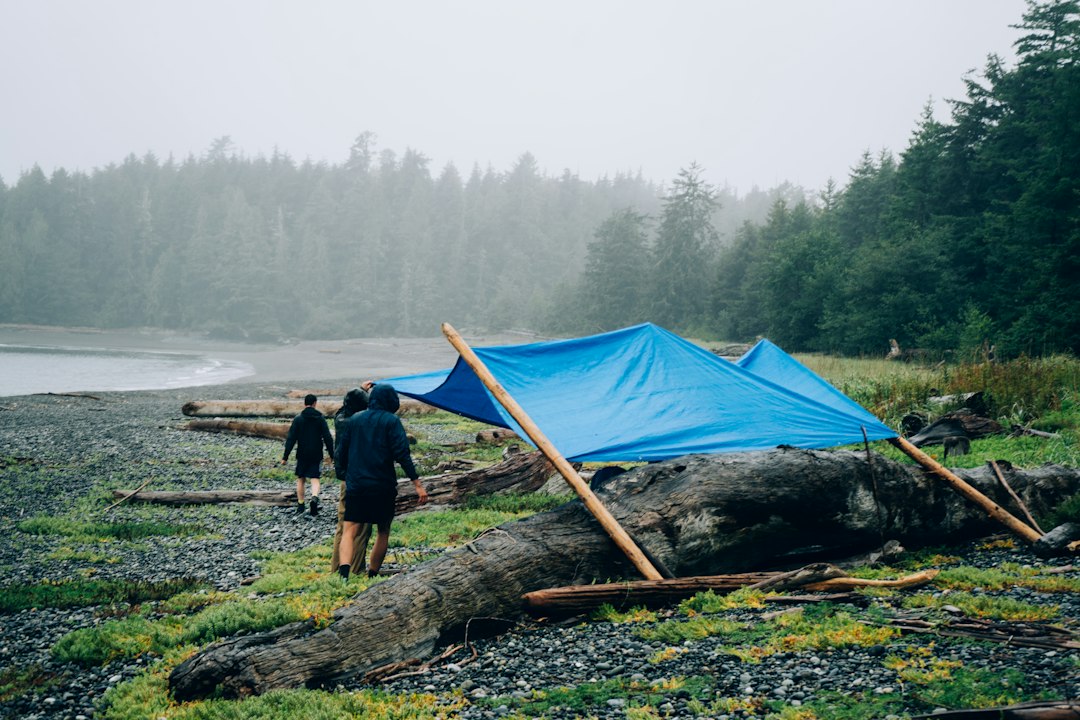
When your weekend forecast flips to steady rain
You arrive at the campground with logs and excitement, unzip the car door—and feel the first steady drops. A rainy-weekend camping trip doesn’t have to mean soggy misery. With a few targeted choices and a short setup plan, you can stay dry, keep gear organized, and enjoy meals and games under cover.
Quick priorities to handle first
- Get shelter up: tent with full rainfly, plus a separate tarp for dry living space.
- Move sleeping gear off the ground and into waterproof storage.
- Create a mud zone for boots and wet layers so you don’t track water through the tent.
Shelter, tarp and site setup that actually work
Start by picking a slightly elevated spot—water pools in low spots. If the only spot is level, find the highest part and orient the tent door downhill so water flows away.
Pitch the tent with a footprint or groundsheet that’s slightly smaller than the tent floor—this prevents water from collecting on the cover and wicking under seams. Tighten the rainfly so water sheds cleanly; loose fabric creates flapping and leaks.
Next, rig a tarp to create a covered “dry zone.” Use ridgeline tension and ensure the tarp extends beyond the tent door about 3–4 feet to keep the entry dry. Angle the tarp so runoff is directed away from the tent and the cooking area.

Sleeping setup: stay dry while you sleep
Keep sleeping bags and pads in waterproof stuff sacks until it’s time to sleep. If space allows, set sleeping pads on a closed-cell foam pad or folded tarp under the tent floor for an extra moisture barrier. Use a breathable liner inside your sleeping bag so you have a washable layer if it becomes damp.
Ventilation is critical even in rain—condensation inside the tent can make sleeping gear damp. Open vents slightly, or prop a small gap in the rainfly where possible to allow airflow without letting in rain.
Clothing strategy: reduce time spent wet
- Pack a waterproof shell (hooded jacket and pants) and a breathable midlayer. Wear the shell when active in rain; keep the midlayer dry for warmth.
- Bring one change of synthetic or wool base layers—quick-dry fabrics are essential; cotton is a trap.
- Use an extra pair of socks and a plastic zip bag for worn socks to isolate moisture.
- Store a light, fast-drying layer in a dry bag near the tent for nighttime or emergencies.
Organize gear with waterproofing and accessibility in mind
Divide items into “wet” and “dry” zones. Keep frequently used items (headlamp, small first-aid kit, rain jacket) in an easily reachable dry bag under the tarp. Bulkier, dry camp clothing and sleeping gear should be stored inside the tent in sealed sacks.
Recommended product for wet-weather storage: a compact set of dry bags makes sorting simple and keeps essentials accessible while protecting them from the rain.
Camp kitchen: keep food and stove dry and tidy
Set your stove and food prep on a raised, covered surface—either a camp kitchen table with a canopy or under the tarp on a stable table to avoid setting directly on wet ground.
Use sealed containers for food and a mesh or dry-net for cooling if insects are present. Keep cooking fuel and matches/lighter in a waterproof container. Clean as you go to avoid slippery, cluttered surfaces.
Mud control: small systems that save hours
Create a designated entrance zone with a groundsheet or plastic boot tray where everyone removes shoes. Keep a small broom or scrub brush to knock off mud before stepping into the tent. If the campground surface is soft, lay down roll-up mats or pallets to raise wet items off the dirt.
Power, lights and small comforts
Bring waterproof headlamps and at least one lantern under the tarp. A power bank in a dry bag can charge phones—store it elevated to avoid splashes. Pack quick food: instant soups, coffee, and pre-chopped ingredients that require minimal handling in wet conditions.
Packing checklist to rethink for rainy weekends
- Footprint/groundsheet sized smaller than tent floor
- Full rainfly + tarp and cordage for a dry living area
- Waterproof shell layers, quick-dry base layers, extra socks
- Dry bags/stuff sacks for gear separation
- Raised camp table or kitchen station and waterproof food containers
- Boot tray, broom/brush and small tarp for mud zone
- Waterproof lighting and power bank in dry storage
Small trouble-shoots campers ask about
If the tent floods: move to higher ground, remove wet gear, wring and dry as much as possible under the tarp, and use spare dry clothing to stay warm. If condensation is worse than rain, open vents and reduce humidity sources inside (dry wet clothes under the tarp rather than inside the tent).
When to postpone or pivot
Heavy winds combined with sustained rain can make tarp and tent setups unsafe. If winds exceed the rated speed of your shelter or if flooding threatens the site, consider moving to a car-camping setup or postponing—safety and comfort depend on being able to shed water and keep people dry.
- Confirm tarp, extra cordage, and stakes are packed.
- Pack at least one dry bag per person for clothes and electronics.
- Plan a tarp layout and practice a quick setup at home if new to rigging.
- Designate a mud zone and pack a small boot tray or tarp for it.
A rainy weekend is manageable with a few focused steps: secure a watertight sleeping setup, create a covered communal area with a tarp, separate wet and dry gear using dry bags, and control mud at the entrance. These actions keep comfort and morale high even when the weather doesn't cooperate.
Do I need a special tent for camping in the rain?
A waterproof tent with a full-coverage rainfly and a sturdy footprint is ideal; you don't need an all-season mountaineering tent for most rainy weekends, but avoid tents with poor seam sealing or minimal fly coverage.
How do I dry wet clothes at camp?
Hang clothes under the tarp on a ridgeline or portable clothesline; rotate damp items and use a lightweight pack towel to remove surface water. Avoid drying inside the tent to reduce condensation.
What’s the easiest way to keep food dry?
Store food in sealed plastic containers or dry bags on a raised table; keep perishable items in a cooler with a waterproof lid and drain meltwater regularly.
Can I cook under my tarp safely?
Yes if you allow adequate ventilation and keep the stove stable and away from flammable fabric; avoid cooking under a low tarp when using large open flames and never leave a stove unattended.
Which items are most worth waterproofing?
Electronics, sleeping gear, and spare clothing are highest priority—place them in individual dry bags so a single failure doesn't soak everything.