Quick answer: the simplest three-day camping packing list
If you need a practical three-day camping packing list that actually helps you decide what to bring, start with this: shelter, sleep system, layered clothing, food & cooking, navigation & safety, and a compact organizer for clothes and small gear. Tailor each category to the weather (warm, cold, wet) and the primary activities (hiking, fishing, car camping, family relaxation).
How to pick what changes with weather and activity
The core items stay the same regardless of conditions, but two things drive real differences: your comfort threshold (cold/hot tolerance) and how active you’ll be. If you’ll be hiking eight miles a day you need lighter, faster-drying clothing and more calories; if you’re car camping with kids you prioritize comfort and extras. Use the weather forecast to decide which clothing layers and protective items to swap in or out.
Base three-day packing list (the non-negotiables)
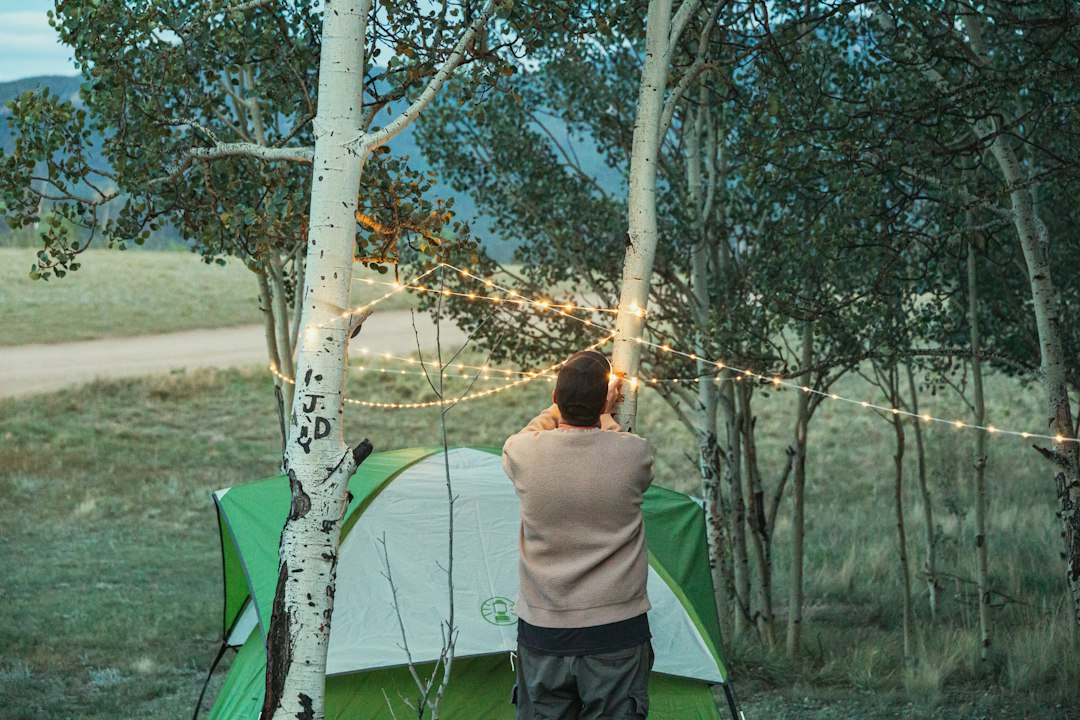
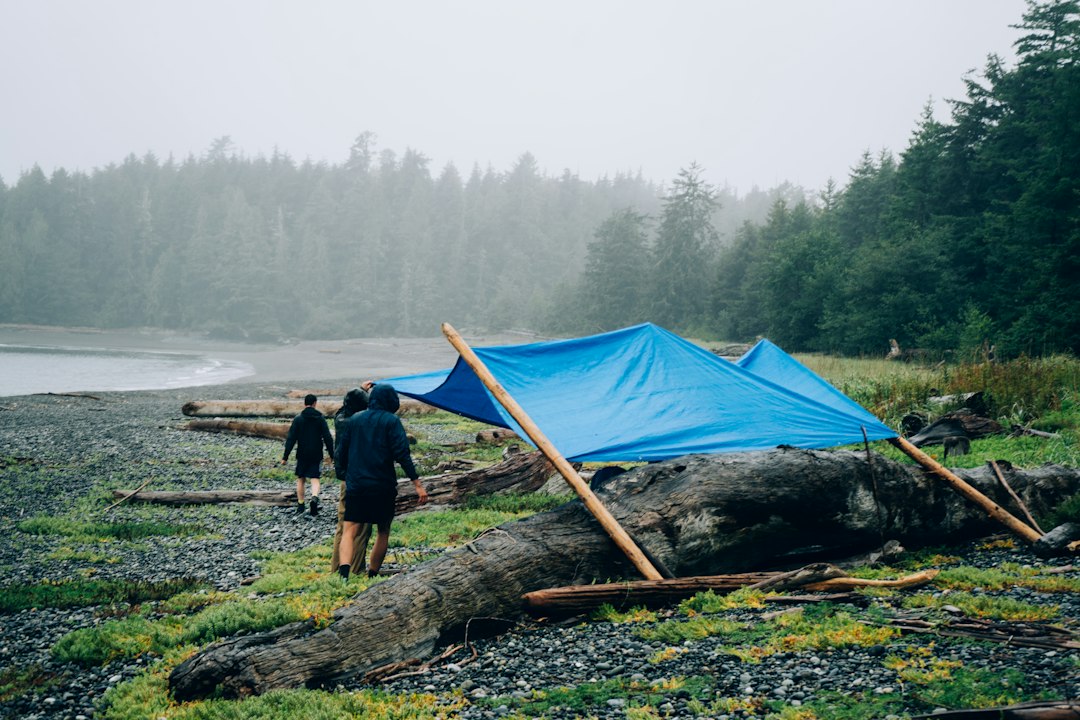
- Tent with stakes & footprint (or shelter/ tarp) and appropriate repair kit
- Sleep system: sleeping bag rated at least as warm as expected night temps, sleeping pad, pillow or stuff-sack pillow
- Clothing: 2 base layers (tops), 1 insulating midlayer, 1 outer shell, 3 pairs socks, 3 pairs underwear
- Footwear: hike-appropriate boots or shoes plus camp shoes/ sandals
- Food for 3 days + snacks, lightweight stove and fuel, pot, spork, cup, lighter/matches
- Water system: bottle(s) + filter or treatment if resupply is expected
- Light: headlamp (extra batteries) and a small backup light
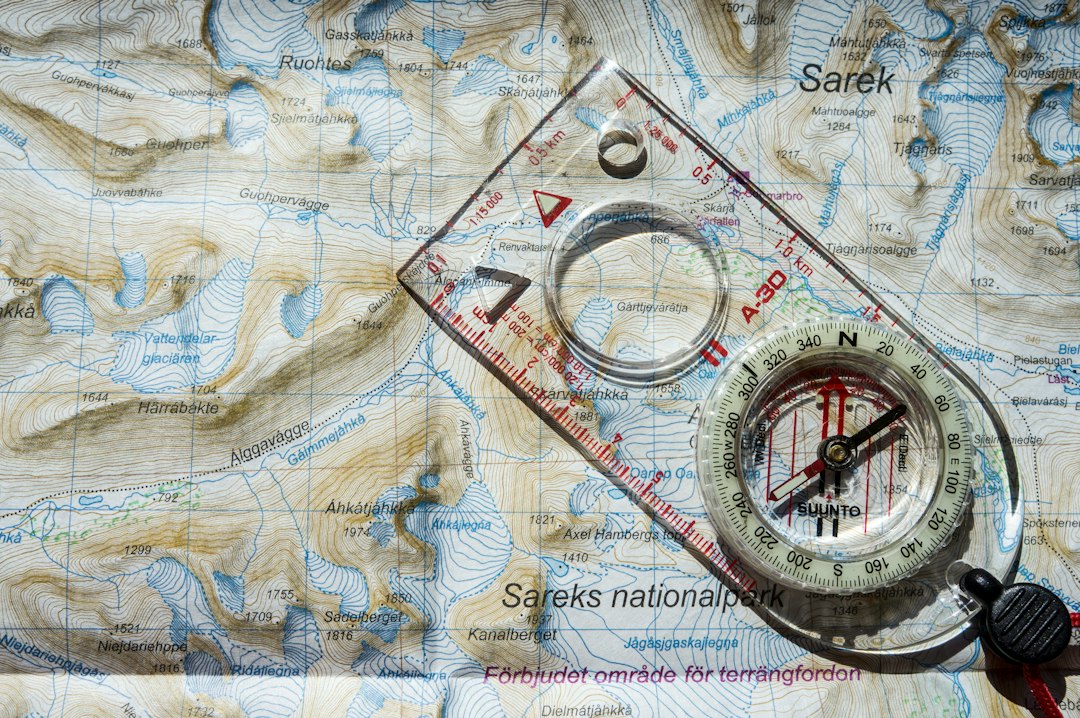
- Navigation & safety: map, compass/GPS, multi-tool, first-aid kit, sun protection
- Personal items: toiletries, toilet paper, hand sanitizer, insect repellent
- Trash bags and a small repair kit (duct tape, cordage)
Adjustments for warm weather
Warm-weather packing focuses on breathability and sun protection. Swap heavier midlayers for a lightweight fleece or none at all, bring a wide-brim hat and SPF 30+ sunscreen, and prioritize fast-drying fabrics. Carry one extra set of socks and a light long-sleeve for sun and bugs if needed.
Adjustments for cold weather
For cold nights, upgrade the sleeping bag rating by at least 10°F from forecast lows and add a thicker sleeping pad (R-value matters). Bring a down or synthetic insulated jacket, an insulated hat, gloves, thermal base layers, and a windproof shell. Pack a hot-water bottle or insulated bottle to warm your sleeping bag if temperatures drop unexpectedly.
Adjustments for wet weather
Make waterproofing the priority. Carry a waterproof/breathable shell jacket and pants, a rain cover for your pack, and stash clothes in dry bags or heavy-duty plastic. Bring quick-dry clothing and footwear you can tolerate when damp (gaiters help on muddy trails). If paddling or near water, bring a spare dry set of clothes stored in your car or dry bag.
Packing by activity: what to add or remove
Here’s how to customize the base list for common three-day trip types.
Hiking-focused
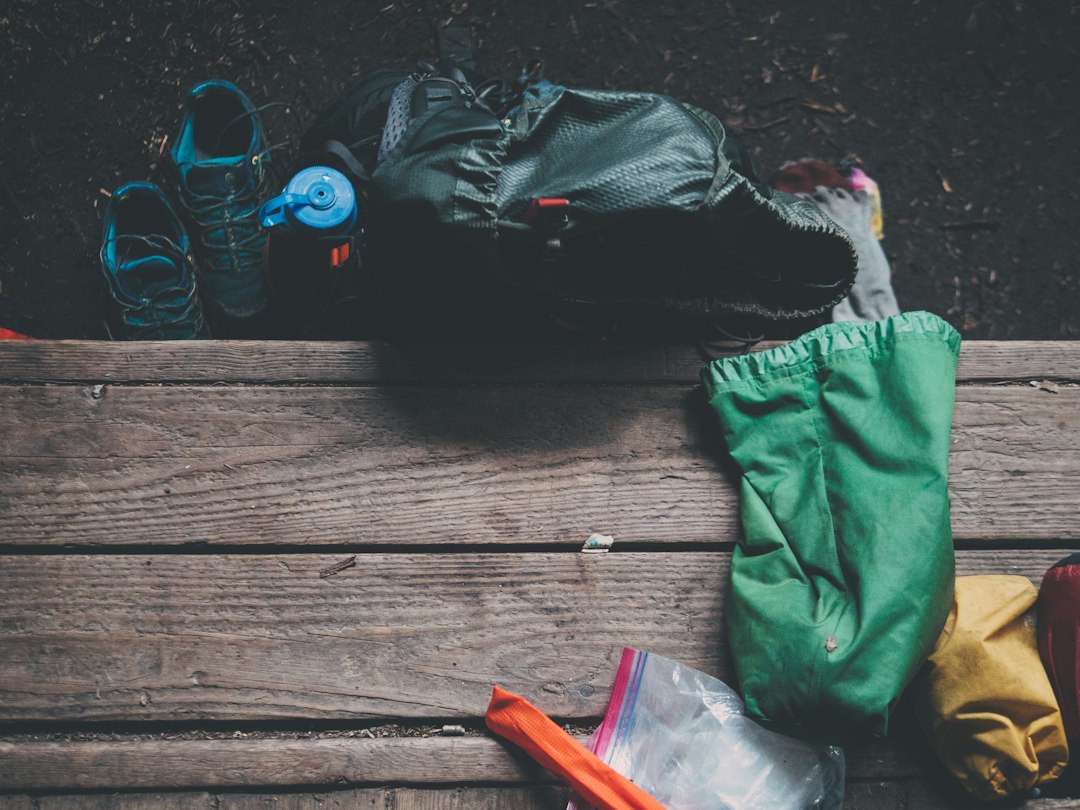
- Daypack with hydration system, trekking poles, lightweight stove if you’ll cook on-trail
- Quick-dry shirts and convertible hiking pants, lightweight rain layer
- Extra electrolytes/energy bars and a small repair kit (patches, cord, spare laces)
- Weight-conscious choices: consolidate toiletries, use lighter tent or tarp, and limit non-essentials
Fishing or water-based trips
- Waders or wetsocks, quick-dry layers, waterproof bag for electronics
- Proper footwear with traction and a small foldable net
- Fishing license, tackle, line, spare hooks and pliers in a sealed box
Family car camping or comfort-focused
- Larger tent or double shelter, camp chairs, camp table, extra blankets
- Convenience cooking (grill or larger stove), plates and serving utensils, games
- Child-focused items: sunshade, portable potty or familiar sleeping gear, extra clothes
Why packing organization matters—and one product to simplify it
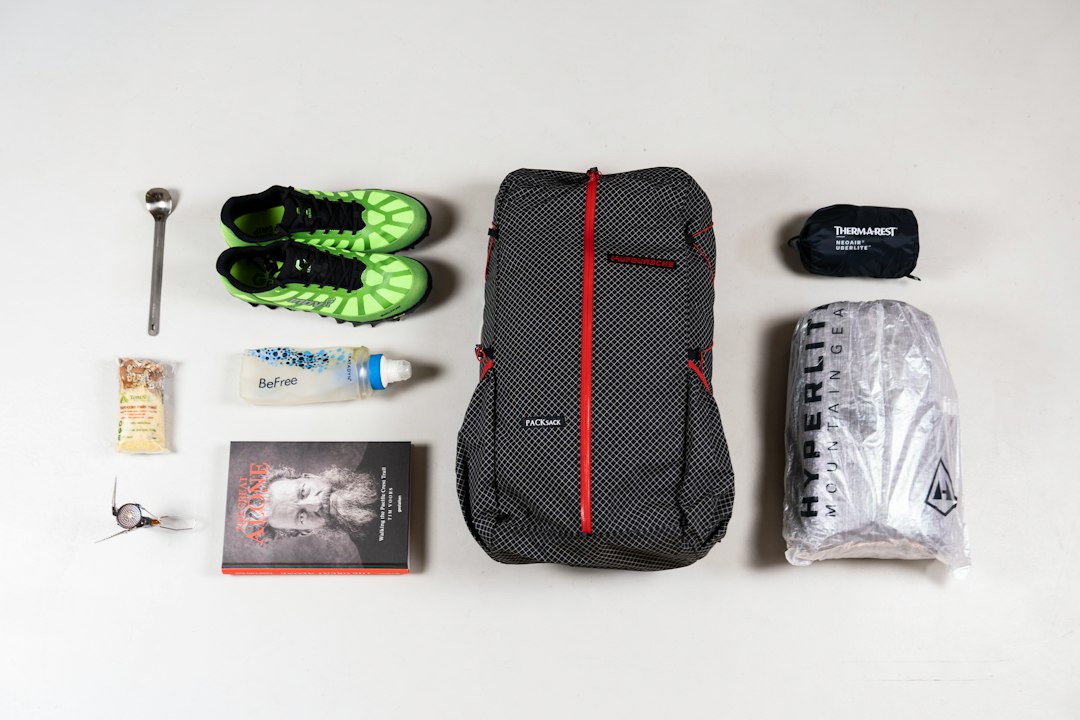
Three days is short enough that good organization saves more time than extreme compression. Packing cubes or an organizer let you separate sleepwear, day clothes and cooking items so you can pull what you need without unpacking everything—particularly helpful in rainy conditions or with children.
The set above is useful when you’re deciding whether to compress or simply separate clothing and gear; use smaller cubes for socks/underwear and a larger cube for tops so you can open and re-stow quickly at camp.
Small decisions that make a big difference
- Clothing count: for three days, two tops + one worn equals three; add a spare if you expect heavy sweat or rain.
- Fire vs stove: follow local rules—stoves are more predictable and often necessary in wet or fire-restricted conditions.
- Food planning: plan one hot meal per day to reduce fuel and cookware, and rely on calorie-dense snacks for trail days.
- Water: if water is scarce at your site, carry extra in jerry cans—otherwise, a good filter is lighter and sufficient.
Final choices before you close the pack
Check the forecast again the night before. Lay out the tent and sleep system to confirm fits; test your stove and lighting at home; pack heavy items low and centered. If you’re car camping, move non-essentials to the car so you can keep your daypack light.
- Confirm weather and adjust insulation and rain layers.
- Test stove, headlamp, and water filter at home.
- Pack clothing in labeled cubes: sleep, day, spare.
- Place heavy items low in pack; keep daily essentials on top.
- Bring printed map/route and a charged phone power bank.
A good three-day camping packing list starts with a solid shelter, sleep system and layered clothing, then changes in predictable ways for warm, cold, or wet conditions and for specific activities. Keep choices simple and organized so you can adapt on the trail.
How many clothes should I pack for a three-day trip?
Pack two base tops and one you wear, plus one spare set (3 total), three pairs of socks, and layerable mid/outer pieces; add an extra change if you expect heavy rain or sweat.
Do I need a sleeping pad for three nights?
Yes—insulation and comfort from a sleeping pad are important even in summer; a higher R-value is necessary for cool nights.
Can I get by without packing cubes?
Yes, but cubes speed up finding items and keep wet/dirty gear separate—especially useful in bad weather or with kids.
What’s the best way to pack food for three days?
Plan one hot meal per evening, simple breakfasts and calorie-dense snacks for days; pre-portion ingredients to reduce cooking time and fuel use.
Should I bring a separate first-aid kit for hiking?
For hiking trips, carry a compact day-specific first-aid kit with blister care and pain relievers in addition to your camp kit.