What matters—and what you can safely ignore
Backcountry camping etiquette matters because small choices multiply across landscapes and seasons. Focus on three high-impact behaviors: choosing durable sites, managing human waste and food, and minimizing fire and camp noise. You can safely ignore perfection (for example, obsessing over single blades of grass) and avoid complicated rituals; choose simple, repeatable habits that reduce long-term harm.
Pick a campsite that lasts and requires no repair
Prioritize durable surfaces—rock, gravel, dry grasses, or snow—over fragile meadow, moss or wet soil. Setting your tent on durable ground prevents erosion and protects plant life. Where routes have existing sites, use them rather than creating new clearings.
How to choose quickly: look for flat ground without pooling water, avoid ridge crests exposed to wind if you want less impact on vegetation, and keep camps at least 200 feet (about 70 adult steps) from lakes, streams and trails when possible. This protects riparian zones and privacy for other users.
Manage food and attractants like a wildlife safety plan
Food and scented items are the single biggest cause of negative wildlife encounters and future problems for other campers. Store food securely every night—bear canister, bear-resistant locker, or a proper bear hang where regulations allow.
If you’re in an area without bears but with rodents or birds, use airtight containers and seal odors in odor-proof sacks. Cook and store food 50–100 feet from sleeping areas and downwind when possible. Never leave food or trash unattended, even for short hikes from camp.

Human waste: simple cathole rules and when to pack it out
Human waste is a major source of contamination and biological impact. Use catholes for solid waste in areas without established toilets: dig 6–8 inches deep in mineral soil, at least 200 feet from water, trails and campsites, and cover the hole fully.
In high-use, alpine, sandy, icy, or karst terrains, pack out solid waste using a certified waste bag system—these places don’t absorb waste and leave lasting evidence. Always pack out toilet paper and hygiene products in sealed bags.
Keep fires minimal and intentional
Where campfires are allowed, prefer a stove for cooking—stoves are faster, safer and leave no scar. If you do build a fire, use established fire rings, keep fires small, burn only dead-and-down wood that can be broken by hand, and fully extinguish with water until cold.
When firewood is scarce or the area is sensitive, rely on a small backpacking stove. A stove also reduces smoke and the temptation to expand a fire site.
Noise, lights and group behavior that preserve solitude
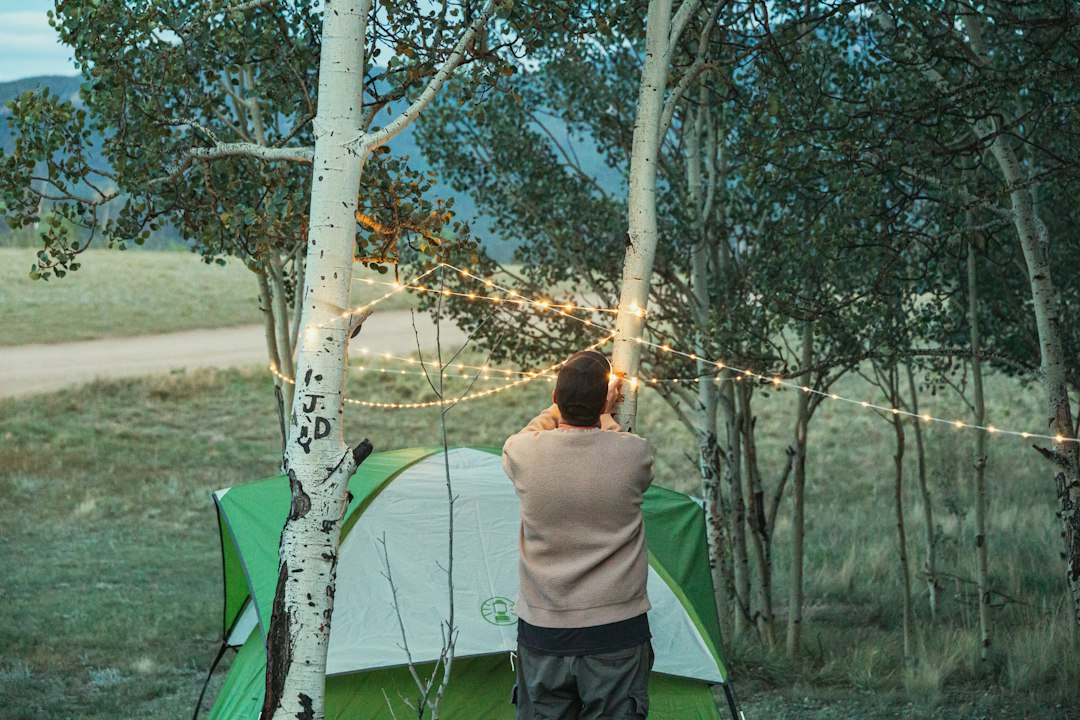
Backcountry users often seek solitude and natural soundscapes. Keep music and voices low, especially at night and during morning wildlife activity. Use headlamps and lanterns sparingly; dim red-light settings or shielded lamps reduce visual intrusion.
Large groups leave greater impact: split into smaller groups when possible, and stagger camping spots within a larger party to reduce concentrated strain on a single site.
Leave what you find—why small artifacts matter
Do not move rocks, artifacts, or vegetation to build walls, seats or windbreaks. Natural features and cultural artifacts tell ecological and historical stories; removing or rearranging them degrades the experience for those who follow. If you need a windbreak, site your tent behind existing shelter rather than constructing new arrangements.
Pack it in, pack it out: practical trash strategies
Bring durable, resealable trash bags and a small spare for food scraps and wet wipes. Compress trash into small, odor-proof bags to reduce volume and prevent wildlife access. Rinse lightweight food items and pack out the rinse water or scatter it away from campsites and water sources.
For multi-day outings, separate burnable (where permitted) and non-burnable items into different bags so you’re not tempted to burn trash in fragile environments.

Gear choices that reduce impact and simplify habits
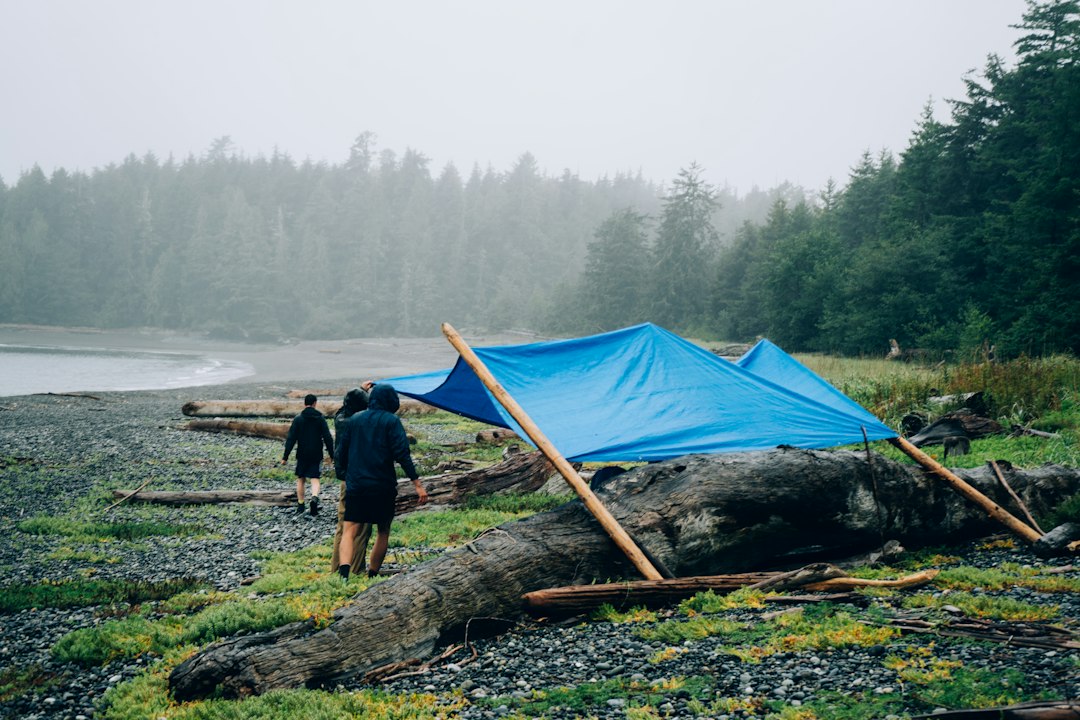
Choose gear that supports low-impact behavior: lightweight stoves for almost every trip, compact trowels for catholes, and a small bear canister when required. For longer stays, a simple lightweight tarp or footprint reduces the temptation to clear vegetation.
Product suggestion: when you want a small, comfortable sleeping platform that keeps you off fragile vegetation and reduces ground wear, consider a folding cot that fits your trip needs.
Rules of thumb for simplifying without compromising ethics
- One-camp rule: use only one sleeping area per night, rotate if staying multiple nights in the same basin.
- Low-light rule: avoid bright lights after 10 p.m. to protect nocturnal wildlife and other campers.
- Stove-first rule: default to a camp stove for all cooking to avoid fires and reduce wood demand.
When local rules override general etiquette
Park, wilderness and national forest regulations vary. Always check current rules on fires, food storage and group size before you go; when local rules conflict with a general habit, follow the local rule. If in doubt, ask a ranger—rules are often tailored to current conditions like drought or recent wildlife activity.
Final decision: one sensible commitment before your next trip
Commit to one measurable change: carry a bear canister or odor-proof food bag, or commit to packing out solid waste on alpine trips. That single habit prevents repeated harm and is easy to maintain.
- Choose durable surface for your tent—avoid meadows and wetlands.
- Store food every night in a canister or hang it properly.
- Use a stove for cooking; limit fires to established rings when allowed.
- Use catholes or pack-out systems appropriately for waste.
- Pack out all trash and used toilet paper in sealed bags.
- Keep noise and lights low; respect other groups’ space.
Small, repeatable habits—durable-site selection, secure food storage, and responsible waste management—prevent most backcountry impacts. Make one practical commitment before your next trip and build from there.
How far from water should I camp?
Camp at least 200 feet (about 70 steps) from lakes and streams to protect water quality and riparian vegetation.
When should I pack out human waste?
Pack out waste in high-use areas, alpine or sandy soils, near water, or where local rules require it; use catholes only in appropriate mineral soils and low-use settings.
Is a campfire ever acceptable?
Only where allowed and sustainable—use existing fire rings, keep fires small, and prefer stoves for cooking to minimize scarring and wood removal.
How do I avoid attracting wildlife besides bears?
Store all food and scented items securely, keep cooking and sleeping areas separate, and never leave scraps or wrappers behind.
What if my group has more than recommended campers?
Split into smaller units and spread out camping spots within the permit area to reduce concentrated impact; follow local group-size limits when specified.