You unzip your winter tent at dawn and find the inner walls beaded with water or crusted with frost. Your sleeping bag is damp around the head, and every breath seems to fog the fabric. That familiar trade‑off—keeping warm versus keeping moisture out—can ruin a trip unless you manage ventilation deliberately. Cold-weather tent ventilation is about controlling where and how moisture leaves the shelter so you stay dry and comfortable without unnecessary heat loss.
Short answer: what to do tonight
If you want the quickest actionable steps tonight, do this: open low intake vents (or partially unzip lower doors) and keep at least one high vent or door slightly cracked to create a vertical airflow, keep wet gear outside the sleeping area in the vestibule, and sleep with breathable layers and a vapor‑permeable liner rather than packing yourself into damp clothes. Those moves reduce condensation by directing warm, moist air up and out instead of letting it hit cold inner walls.
Why condensation happens and where it forms
Condensation occurs when warm, moist air meets a cold surface and drops below its dew point. In winter, tent fabric and inner mesh are often much colder than the air inside; exhaled breath, wet clothing, and cooking release moisture that rises and then condenses on the roof and upper walls. Frost forms when the surface temperature is below freezing—same physics, different appearance.
Design choices that make a big difference
- Double‑wall vs single‑wall tents: Double‑wall tents (separate inner mesh and outer fly) tend to manage condensation better because the fly takes most of the thermal and moisture load; single‑wall tents need deliberate ventilation openings or breathable fabric to avoid heavy internal buildup.
- Vents and their placement: Look for tents with high ceiling vents and lower intake vents or doors. Vertical stack ventilation—cold intake low, warm exhaust high—uses natural convection and is the most efficient passive airflow in cold weather.
- Capacity and body heat: Smaller tents warm faster but also concentrate moisture. If you have multiple occupants, plan for extra ventilation or hang wet items in the vestibule to move moisture away from sleeping heads.
Practical ventilation techniques you can use
These tactics are ranked from low-effort to more active management so you can choose what fits your comfort level and conditions.
- Set up with airflow in mind: Orient your tent so the low intake faces downwind if possible and the high vent faces upwind; this encourages a gentle cross-flow when there's any breeze.
- Use partial openings: Instead of opening doors fully (cold blast), open small lower panels and a top vent a few centimeters. The goal is continuous, slow exchange, not rapid cooling.
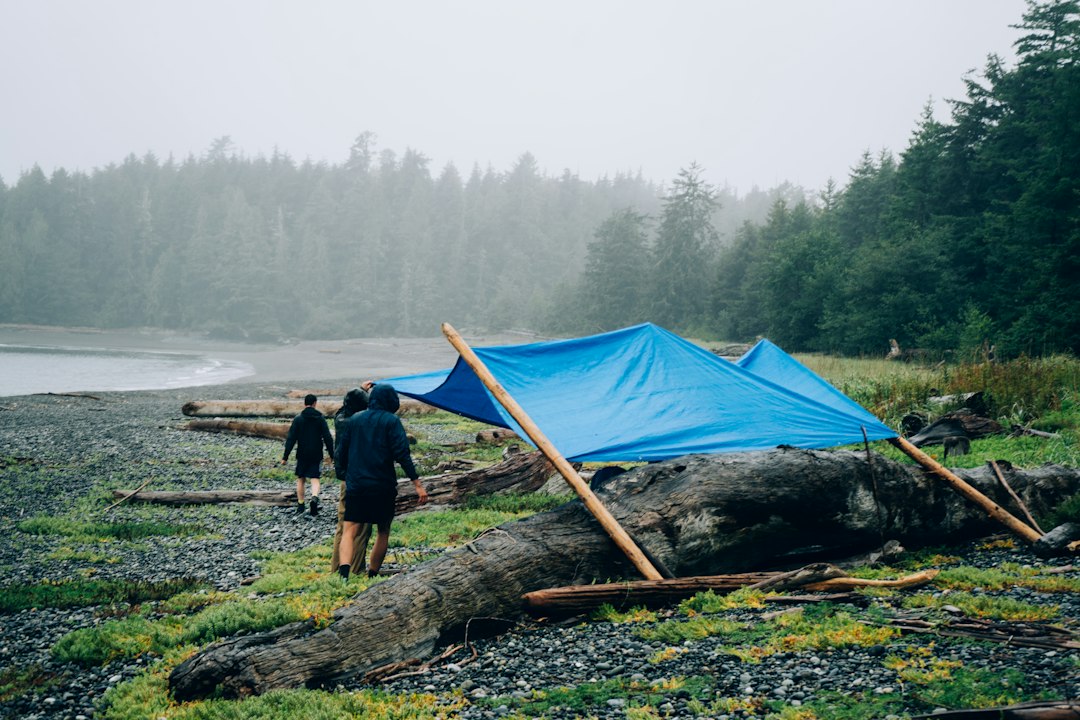
- Vestibule for wet gear: Store boots, damp clothes, and cooking pots in the vestibule. If snow or wind makes a vestibule unusable, use a separate tarp or hanging line just outside the inner sleeping area.
- Manage in‑tent humidity sources: Dry out wet layers before bed—even a short airing reduces moisture release overnight. Use a small pack towel to absorb surface dampness from boots or gloves before bringing them in.
- Mind the stove and combustion: If using a wood or gas stove, make sure the tent’s ventilation strategy accommodates the exhaust (appropriate stove jack and dedicated air intake). Combustion increases inside humidity and requires reliable fresh‑air supply for safety and to limit condensation.
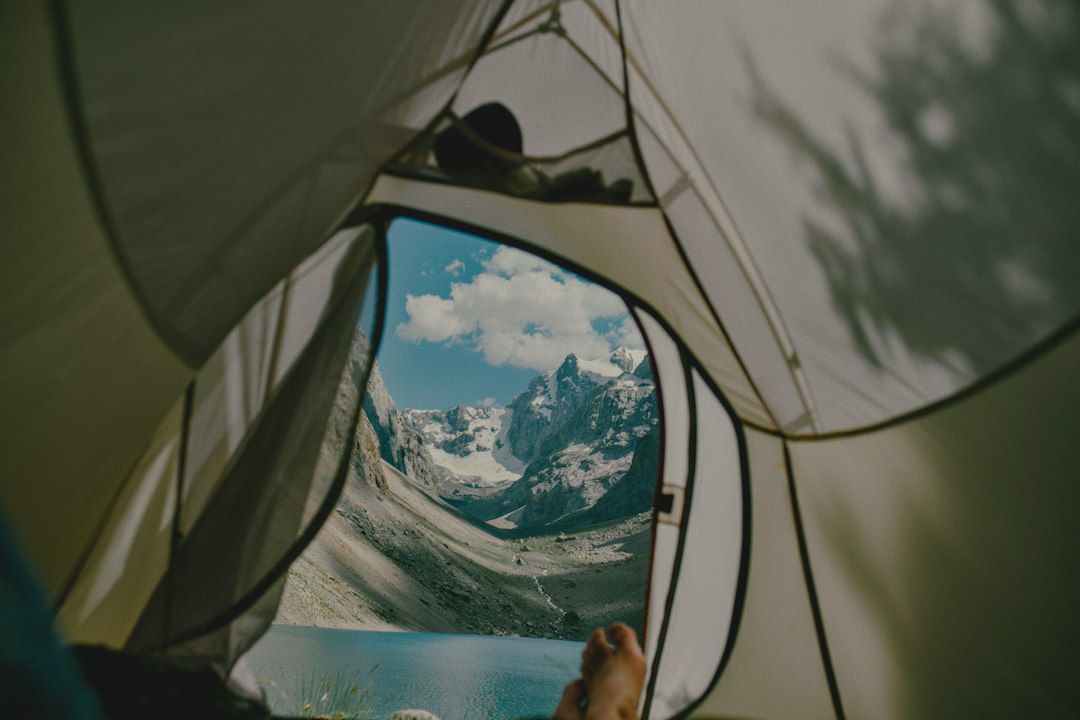
Nighttime habits that reduce soggy sleeping bags
- Sleep head‑to‑foot, not head‑to‑door: Keep your head away from the coldest walls and vents where dripping is likeliest.
- Wear dry, breathable layers: Merino base layers or synthetic thermals breathe better than cotton and reduce perspiration. Consider a light fleece hat to trap warmth without causing heavy sweating.
- Use a vapor‑permeable sleeping bag liner: Liners can absorb some moisture and be washed or aired; they also add a degree of breathability between you and the bag insulation.
- Air your bag briefly each morning: If frost has formed on the inner fabric, open vents and let sunlight or a gentle breeze dry it before packing.
When to sacrifice some warmth for dryness
Wet insulation loses loft and warmth. That means it’s often better to trade a little heat for less condensation. If you find frost building on the ceiling overnight, increase venting enough that inner fabric stays mostly dry; then boost insulation (add clothes or a liner) to compensate for the small heat loss. The short-term chill from added ventilation is usually preferable to the longer-term discomfort and hypothermia risk of damp insulation.
Gear that helps—one quick recommendation
If you want one simple purchase that improves comfort on cold nights, add a breathable mid‑layer you can sleep in to avoid sweating into your bag. For many campers, merino socks are the easiest upgrade that keeps feet warm without excess moisture buildup.
Common trade-offs and edge cases
- High wind or heavy snow: You may be forced to close vents to block snow. When that happens, keep the tent unoccupied briefly between uses to let moisture migrate out, and dry insulation in sunlight when feasible.
- Solo winter alpinism: In very cold environments, a semi‑sealed setup with scheduled airing (morning and evening) plus a reliable stove can work—only if you have a tested ventilation plan and carbon monoxide safety measures.
- Single‑wall breathable fabrics: Some modern fabrics wick moisture instead of letting it condense on the inner surface. They work well with moderate ventilation but still need wet gear managed outside the sleeping area.
- Set low intake and one high exhaust vent before sleeping.
- Store wet gear in vestibule or outside on a tarp.
- Wear breathable base layers and use a liner to protect your bag.
- Open vents partially—aim for slow continuous airflow.
- Plan for stove ventilation if using a heater or stove.
- Air and dry sleeping gear each morning if frost forms.
Control condensation by creating steady vertical airflow, keeping moisture sources out of the sleeping area, and choosing breathable clothing and gear. Small vent adjustments and simple habits typically prevent damp insulation more effectively than trying to seal a tent and rely on heat alone.
Should I open vents fully in very cold weather?
No—full opening wastes heat. Use small, continuous openings low and high to create gentle convection without excessive cooling.
Does a double‑wall tent stop condensation entirely?
No; it reduces transfer of moisture to the inner wall, but you still need ventilation and to manage wet gear to prevent buildup.
Can I use a tent stove and avoid condensation?
Stoves add humidity from combustion; with a proper stove jack and dedicated air intake, you can manage it, but expect to ventilate more and monitor for damp spots.
Is it better to leave boots inside the tent?
Store boots in the vestibule or outside under a tarp. Bringing them into the sleeping area releases moisture directly into your living space.
How often should I air my sleeping bag?
Aim to air it each morning when possible—brief sun and ventilation will evaporate most surface moisture before packing.