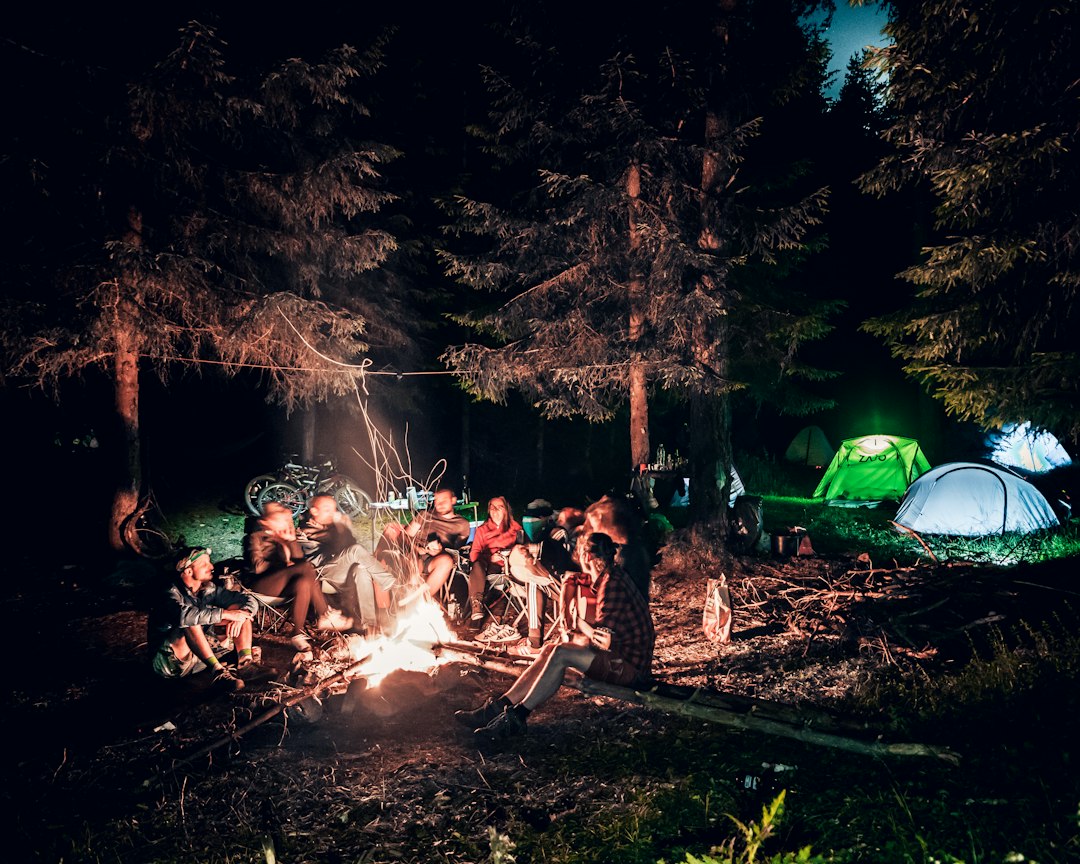
That night at the busy campground: why everyone’s suddenly annoyed
You’ve pitched your tent, cooked dinner, and cracked a beer. Nearby, someone radios loud music; another group’s flashlight beams through your sleeping bag at midnight. Campsites are shared spaces, so a few choices—when to be loud, whether to light a big fire, how to deal with trash—determine whether the night stays pleasant. The single best rule: treat other campers and the landscape as people you want to keep camping with tomorrow.
Quick answer: three rules to follow tonight
Follow campground quiet hours (or keep voices and noise low after dark), use contained, permitted fires only and follow wood/fire rules, and practice Leave No Trace—pack out what you packed in, properly store food, and avoid disturbing plants and wildlife. Those three cover most conflicts; the rest is sensible detail.
Understanding quiet hours—and what to do when campsites don’t enforce them
Most public and private campgrounds set quiet hours (commonly 10 p.m.–7 a.m.). The intent is simple: allow sleep and lower stress for everyone. If a posted rule exists, follow it. If there’s no posted policy, default to soft voices, low-volume audio through headphones, and dim lights after sunset.
- How to handle noisy neighbors: first, politely ask them to lower volume—many campers don’t realize they’re disruptive. If that fails, notify campground staff or rangers rather than escalating with confrontation.
- Children and families: expect some noise; lean toward patience and positioning your campsite away from family loops if peace is a priority.
- Use equipment wisely: headlamps, camp lights and radios are useful—keep them aimed and at low brightness or volume to avoid shining into other campsites.
Campfires that won’t get you kicked out
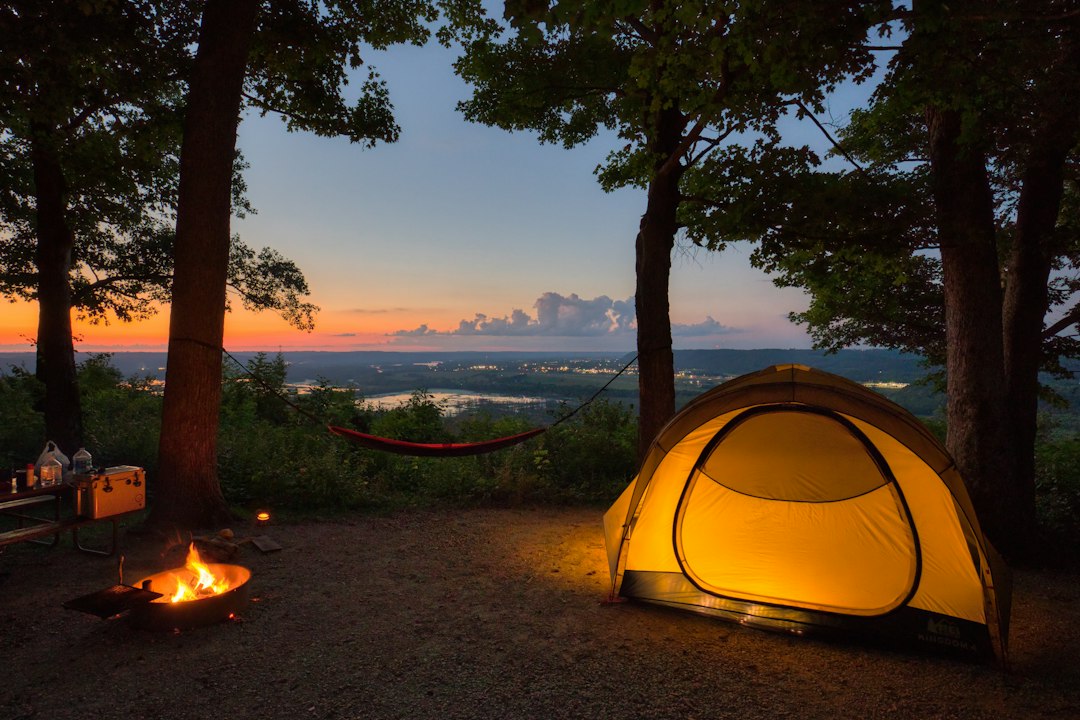
Campfire rules vary by park, forest district, and season. Before you light anything, check local restrictions—many areas ban open fires during drought. When fires are allowed, use established fire rings or metal pits, keep fires small, and never leave them unattended.
- Fuel: use only dead-and-down wood found on-site when permitted; never cut live trees or branches. Where portable stoves are allowed, they’re the safer, low-impact choice for cooking.
- Firewood sourcing: avoid transporting wood between regions to prevent moving pests and diseases; buy local firewood if you need to.
- Extinguishing: douse with water, stir ashes, and douse again until cool to the touch. Cold ashes are the true “out.”
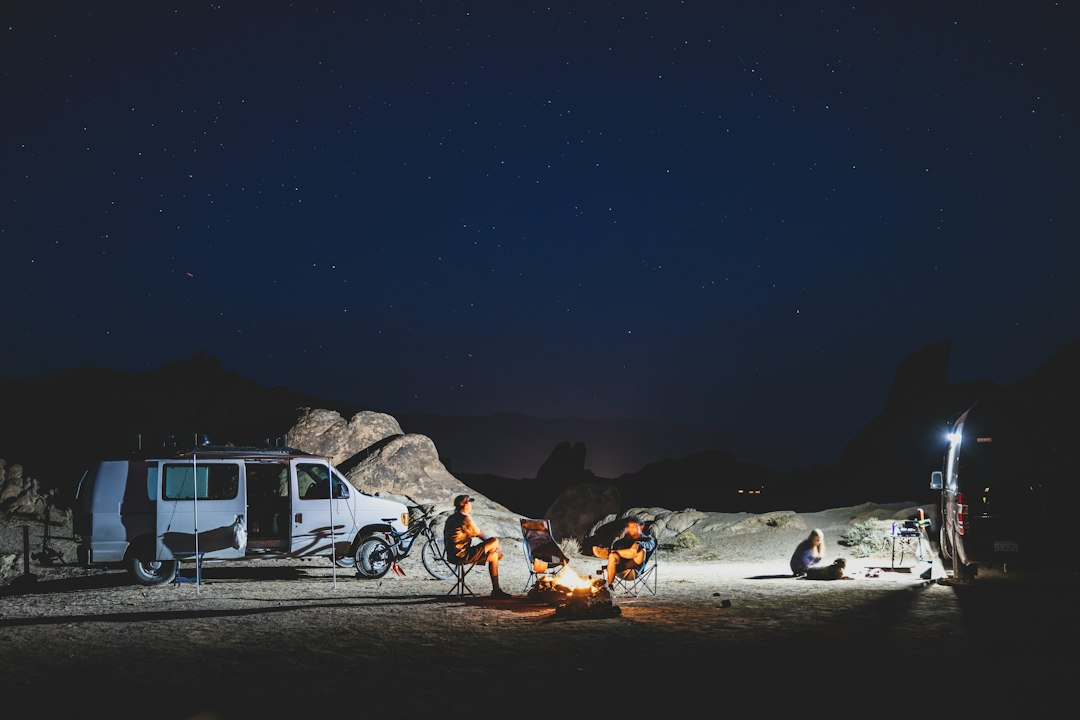
Leave No Trace: the practical actions that matter
Leave No Trace isn’t an abstract ethic; it’s seven practical actions. The most impactful for car campers are: pack out trash, properly store food and scented items, use durable surfaces for tents and cooking, and dispose of human waste correctly.
- Pack it out: bring heavy-duty trash bags. If the campground doesn’t provide bins or if bins are overflowing, carry waste home. Food scraps attract wildlife and create persistent problems.
- Food storage: use bear boxes, lockers, or bear-resistant canisters where required. In car-camping areas without lockers, store food and scented items in your vehicle (locked, with windows closed) rather than in tents.
- Tent placement: pitch on durable ground (established pads, gravel, or bare soil) and avoid trampling vegetation. Keep tents at least 200 feet from lakes and streams in sensitive areas.
- Human waste: use provided toilets when available. For backcountry needs, dig a cathole 6–8 inches deep at least 200 feet from water and trails and pack out toilet paper if local rules require.
Dealing with gray areas: what to do when needs conflict
Sometimes rules and comfort collide: a companion wants a roaring fire, nearby campers need silence, or you’re in a dispersed site with no facilities. Prioritize safety, resource protection, and the rights of others. If you must break a preference, opt for the lower-impact choice: smaller fire or using a stove, quieter socializing, and storing food properly even if it’s inconvenient.

Gear choices that simplify etiquette
Picking a few reliable items reduces friction: a compact camp stove for cooking, a bright but directional lantern, sturdy trash bags, and a good food storage solution. For most car campers, a folding side table keeps food prep tidy and away from ground pests—helpful in crowded camp loops.
The recommended camp table is a quick way to keep food off the ground, consolidate cooking tools and reduce wildlife attractants—practical for etiquette-minded campers.
What to do if you find someone breaking etiquette
Start with a polite, non-confrontational request: “Hey, would you mind turning the music down after 10?” If that doesn’t work, involve staff or rangers. Never use intimidation. If wildlife or safety rules are being ignored—open food, unattended fire—report it quickly to protect everyone at the campground.
- Check posted quiet hours and fire restrictions for your campground.
- Bring trash bags and a plan to pack out waste if necessary.
- Pack a stove or ensure local firewood is available and legal.
- Have a food-storage solution (bear locker, vehicle storage, or bear canister).
- Position your tent away from busy loops and respect campsite boundaries.
Follow posted quiet hours or default to low noise after dark, use only permitted, contained fires and fully extinguish them, and practice Leave No Trace by storing food properly and packing out all waste. These three habits resolve most campsite conflicts and protect the places we love to visit.
Are quiet hours the same everywhere?
No—quiet hours vary by campground and land manager. Check the site’s rules; when in doubt, keep noise low after sunset.
Can I use a gas stove during fire bans?
Some areas allow gas stoves but ban open wood fires; others ban all open flames. Confirm current restrictions with park notices or rangers.
What should I do with food in bear country?
Use provided bear lockers or a bear-resistant canister; if neither is available, lock food in a vehicle and keep it out of tents. Never leave food unattended.
How do I dispose of food scraps?
Pack food scraps out if possible. In campgrounds with compost/garbage facilities, use them; otherwise double-bag and carry out to avoid attracting animals.
Is it OK to move a log for firewood?
No—do not cut live trees or move large downed logs that provide habitat. Use only small, dead-and-down wood when permitted or buy local firewood.