Quick answer: follow this simple timeline and you’ll sleep under the stars with no panic
If you’re planning your first overnight camping trip, start with a 2‑week check, lock down logistics 3–4 days before, pack and rehearse 24 hours ahead, and use a pared-down kit for the night itself. That schedule prevents common failures—missing reservations, wrong sleeping gear, or a tent you can’t pitch—and gives you time to borrow, buy, or test gear without last-minute stress.
Why a timeline matters for your first overnight camping
One overnight trip looks small on paper but combines travel, new gear, weather variables and basic safety. A timeline spreads decisions across manageable chunks so you can test critical items ahead of time (tent, sleeping system, stove) and avoid one-off mistakes like bringing a summer sleeping bag to a cool mountain site. The focus keyphrase first overnight camping applies throughout: think of this trip as a short experiment that teaches set-up, camp routines and what you actually want for longer trips later.
Two weeks before: pick a nearby, forgiving site and prioritize logistics
Choose a campground within 1–2 hours of home that has easy access, defined campsites, and cell service. For your first night you want a short drive, a level site, and amenities (bathroom, potable water) so you can focus on learning rather than survival. Check campsites at national, state or private parks—reserve a site if required.
- Check weather forecast trends and average nighttime lows for the area.
- Confirm campground rules (pets, fires, quiet hours) and reservation/cancellation policy.
- Plan travel time with buffer for delays and an early arrival so you can pick a good pitch.
One week before: assemble core gear and confirm what you already own
Create a short gear inventory focused on sleeping, shelter, light, food and safety. Borrow or buy anything critical now.
- Essential kit: tent, sleeping bag appropriate for expected low temps, sleeping pad, headlamp, water bottle, spare layers, basic cookware.
- Safety items: small first aid kit, lighter/matches in a waterproof container, phone charger and power bank.
- Test that your tent has stakes, a rainfly and that the poles aren’t damaged—practice pitching it in the backyard if possible.
Three to four days before: plan meals, pack clothes, and check vehicle readiness
Decide one-pot or one-skillet meals that are simple to prepare on a camp stove or fire. Lay out clothing in outfit sets (day, evening, sleep) and include a warm hat and extra socks—even warm days can mean cool nights.
- Food plan: breakfast (oatmeal or instant), dinner (pasta, rice, or pre-cooked chili), snacks (nuts, jerky, fruit), and coffee/tea for the morning.
- Vehicle and transport: check tire pressure, pack a roadside emergency kit, and make sure all gear fits comfortably with clear access to items you may need at arrival.
- Download campground map and directions; screenshot them in case of poor signal.
24 hours before: pack using categories and run a gear dress rehearsal
Packing by category reduces forgotten items. Do a full load into your car and confirm you can carry everything to the site in one or two trips.
- Pack list categories: Shelter & sleep, Clothing, Cook & eat, Tools & light, Health & safety, Docs & money.
- Lay out and test: inflate pad, unzip sleeping bag, and light your stove once to check fuel and ignition.
- Charge headlamps and phone power banks; bring spare batteries if your devices require them.
Travel and arrival: pick a site, pitch early, and set a simple camp routine
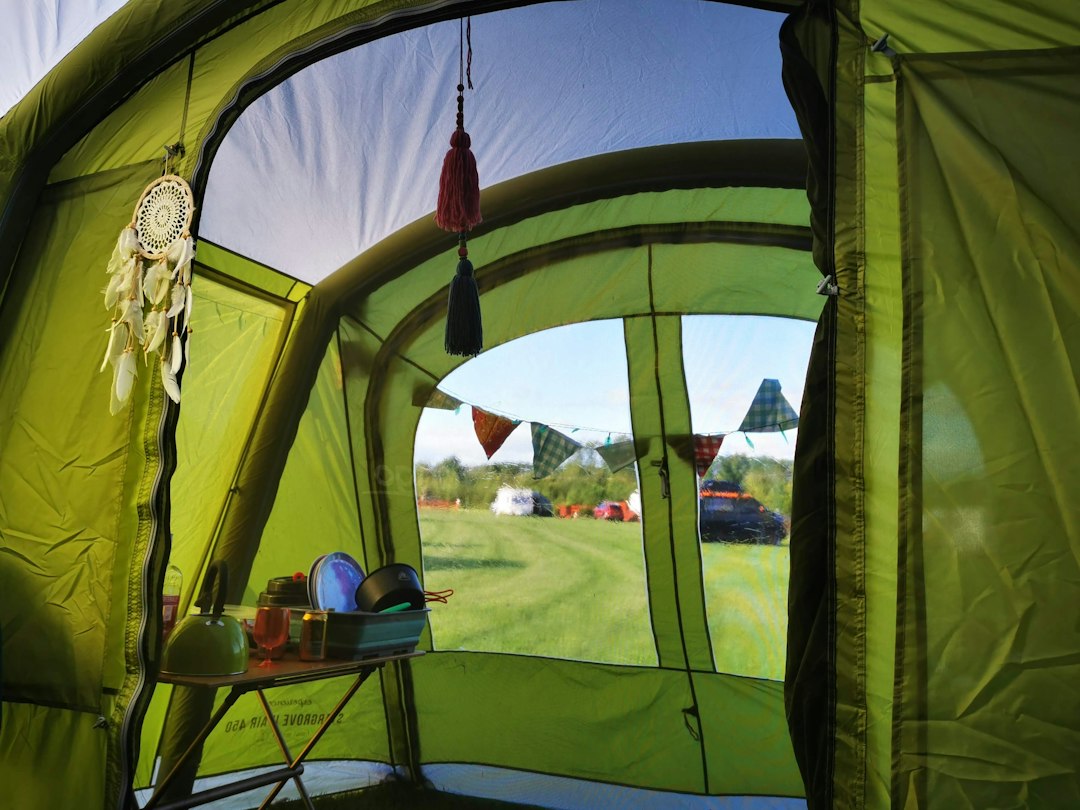
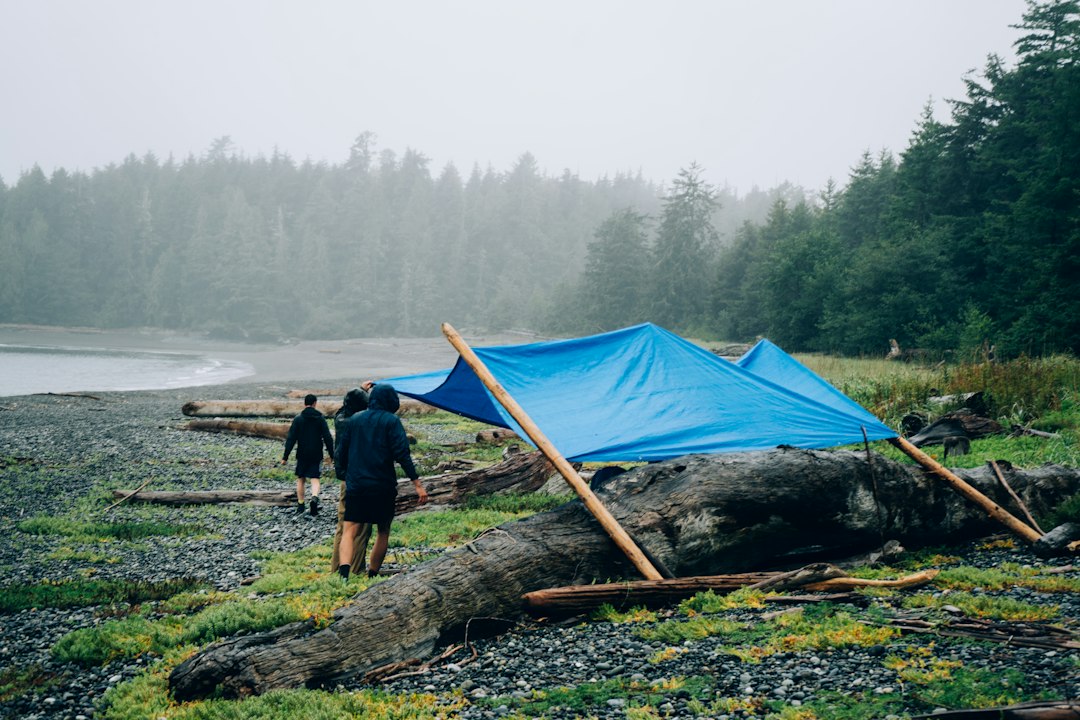
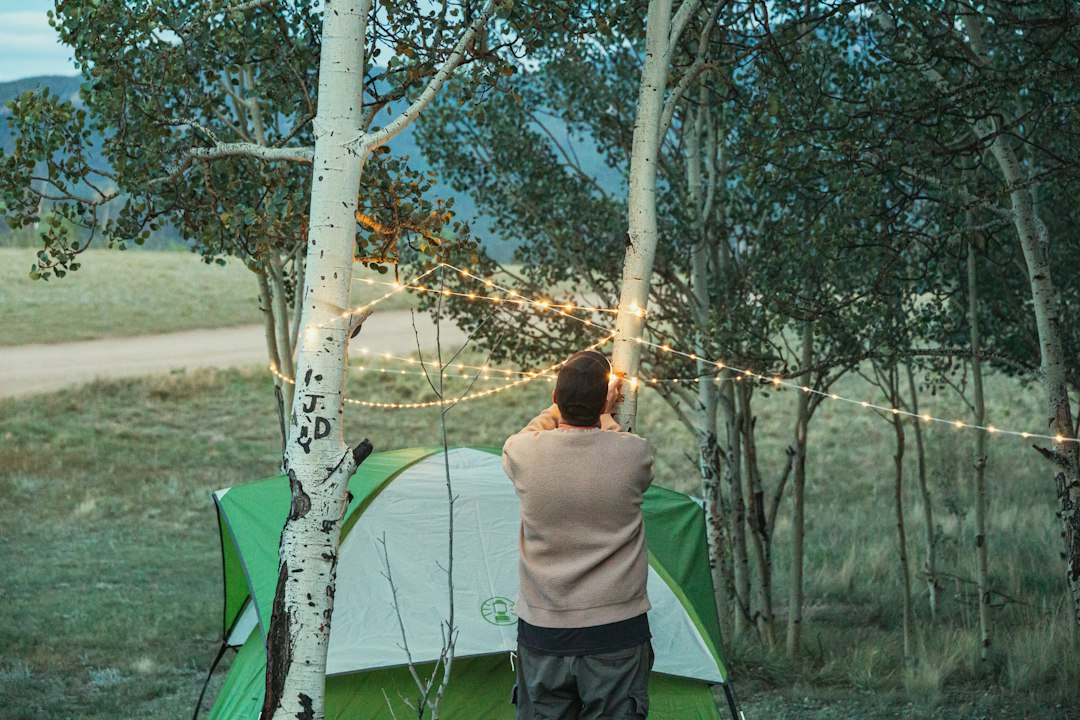
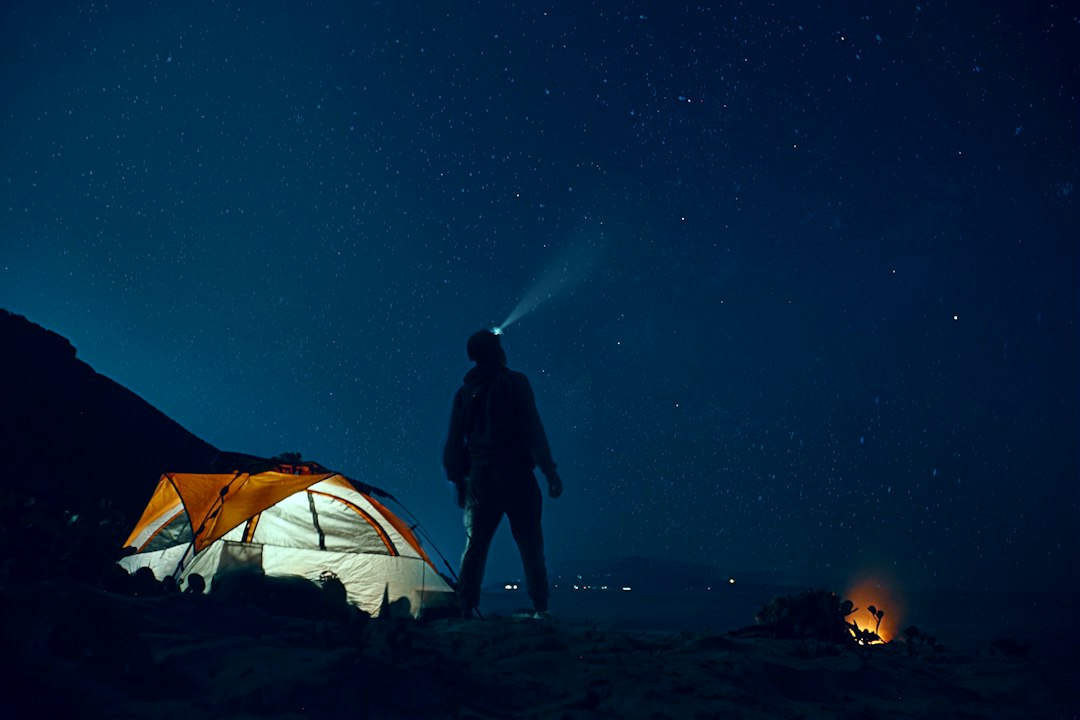
Plan to arrive with daylight to give you time to choose a level spot, clear debris, and pitch the tent. Pitching early reduces stress and gives you time to practice guy lines and learn your tent’s ventilation.
- Pitch near services if you’re uncertain, but avoid low spots where water pools.
- Set up the sleeping area first so you can take a break; assemble cook setup and keep food sealed to avoid wildlife attraction.
- Create a small “kitchen zone” and lighting zone—centralize utensils, stove, and trash to make late-night tasks easy.
Basic safety and comfort tips that matter for one night
For a first overnight, prioritize these practical safety items: a compact first aid kit, a dependable light source, a way to make fire or run a camp stove, and an extra warm layer. A small first aid kit handles common issues—scrapes, blisters, and minor cuts—without carrying an entire medical supply.
Product recommendation that fits this need:
Pack it with blister pads, adhesive bandages, antiseptic wipes and any personal meds. Place the kit where everyone in your group knows its location.
Common rookie mistakes and how to avoid them
- Underestimating nighttime temperature: bring a sleeping bag rated for lower than the forecast low or add a blanket and insulated pad.
- Not practicing tent setup: pitch at home once—knowing how the poles and clips fit saves time and frustration.
- Overcomplicating food: choose meals you can make with one pot and minimal cleanup.
- Ignoring campsite etiquette: keep noise low, store food properly, and follow fire rules to avoid conflicts and hazards.
Pack-for-home checklist (before you leave the site)
Walk the site with a quick checklist so you don’t leave gear behind and you leave no trace.
- Collect all trash and pack it out; check under picnic tables and inside tents.
- Ensure camp stove is cool and clean; stow fuel safely.
- Shake sleeping bag and air out the tent before packing if damp; check for forgotten gear in the car.
- Reserve an easy nearby campsite with amenities and check weather lows.
- Practice pitching your tent and test your sleeping setup at home.
- Pack a compact first aid kit, reliable light, and a simple one‑pot meal plan.
- Arrive in daylight, set up the tent first, and create a small kitchen zone.
- Do a walkthrough before leaving the site to remove trash and forgotten items.
A short, structured timeline removes most first-night surprises: choose a forgiving site, confirm and test core gear a week ahead, rehearse critical items 24 hours before, and keep camp simple. One reliable tent, one suitable sleeping system, and a small first aid kit will get you comfortable and confident for your next outing.
How warm should my sleeping bag be for one night?
Choose a bag rated at least 5–10°F (3–6°C) below the expected low for comfort; add a fleece blanket or liner if you’re unsure.
Do I need a camp stove for one night?
A camp stove is the simplest, safest cooking option for a beginner; it’s faster, cleaner, and often allowed where open fires may be restricted.
What should I keep in my small first aid kit?
Bandages, blister pads, antiseptic wipes, adhesive tape, pain relievers, and any personal meds—enough to handle minor cuts, scrapes and blisters.
Can I go car camping for my first overnight trip?
Yes—car camping reduces carry distance and makes managing extra layers, food and gear easier, which is ideal for beginners.
How early should I arrive at the campsite?
Arrive in daylight and leave yourself at least an hour before sunset to pitch tent, scout your spot, and set up a kitchen area.