Practical reality to start: bring the dog the way you’d bring another person—prepared and predictable
Camping with dogs works best when their needs and predictable behaviors are planned for. The single biggest mistake is under-packing for basic safety and comfort: once your dog is cold, lost, injured or frantic, the whole trip changes. Below are focused packing items and campsite etiquette points that keep your dog safe and other campers comfortable.
Essentials to pack (bring these first)
- Leash, harness and spare: a 6-foot leash for campsite control, a harness for hikes, and a backup lightweight leash in case one gets wet or chewed.
- ID, microchip and current tags: have tags with your cell number and campsite name; carry a photo of your dog on your phone to help searchers.
- Collar light or reflective gear: for dusk and early-morning activity—improves visibility around tents and roads.
- Bedding and shelter: an elevated camp pad, waterproof blanket or a small dog sleeping bag helps dogs regulate temperature and keeps tent clean.
- Food, measured portions and container: pre-measured meals speed prep and reduce attracting wildlife; use sealed containers.
- Water, bowl and a way to boil/filter: carry extra water—dogs dehydrate faster than people—plus a collapsible bowl and plan to filter or boil if refilling from natural sources.
Dog first-aid and emergency items
Pack a small dedicated dog first-aid kit and know the basics. Include:
- Styptic powder or cornstarch for bleeding nails, antiseptic wipes, tweezers for ticks, bandage wrap, and flea/tick preventative.
- Extra leash and a muzzle or head halter for injured dogs who may snap out of fear—only use muzzle properly trained beforehand.
- Copies of vaccination records and vet contact; note the nearest emergency vet to your campsite before you go.
Behavior and campsite etiquette that actually matters
The goal is clear: keep your dog under control, minimize disturbance, and prevent wildlife encounters.
- Control and recall: if your dog won’t reliably return to voice or whistle, keep them leashed. Off-leash privileges should be earned at home first and respected only in allowed areas.
- Respect quiet hours: barking at 5 a.m. or during campground quiet hours annoys neighbors and can get you asked to leave. If your dog barks easily, bring a crate or plan quiet activities close to your vehicle.
- Waste removal: double-bag waste and pack it out or dispose in campground bins when allowed. Leaving waste attracts animals and pollutes campsites.
- No unattended dogs: never tie a dog and leave it alone for long. It stresses the dog and invites theft or predation; plan shifts so someone is always nearby.
- Keep dogs out of shared food prep areas: strong rules around the cook site prevent food-stealing and dangerous wildlife habituation. Use a tethering stake away from the stove if you must tether briefly and supervise.

Feeding, hydration and wildlife safety
Hydration and food routine prevent common emergencies and wildlife issues.
- Feed on a schedule: a predictable mealtime reduces scavenging. Feed dogs away from cooking areas and pack leftovers to avoid attracting raccoons, bears or coyotes.
- Carry extra water per dog: plan for at least 1–1.5 liters per 10 lbs per day in warm weather plus margin for activity; collapsible bowls save space.
- Avoid letting dogs drink from stagnant water: it can carry giardia or blue-green algae. Use a filtered or boiled source when possible.
Trail etiquette and public lands rules
Many conflicts start on the trail. Be deliberate when deciding leash vs. off-leash.
- Follow posted leash laws. On multi-use trails, leash up to avoid startling hikers, horses or bikes. Yield to horses and step aside with your dog on the downhill side.
- Keep dogs on the trail where possible to protect sensitive habitat and nesting birds. Letting dogs range can damage plant communities and disturb wildlife.
- If encountering wildlife, call your dog back immediately and move away. Never let your dog chase deer, elk or other animals—this can be lethal for them and puts you at legal risk.
Packing organization and one recommended product
Organization reduces mistakes—meals, meds and waste bags should be easy to find. Packing cubes or a dedicated pet bag keeps all dog items together.
Why it helps: a set of packing cubes keeps food, bedding, first-aid and toys separated so you won’t be digging through a duffel when it’s cold or your dog is anxious.
Quick-win campsite setup that reduces problems
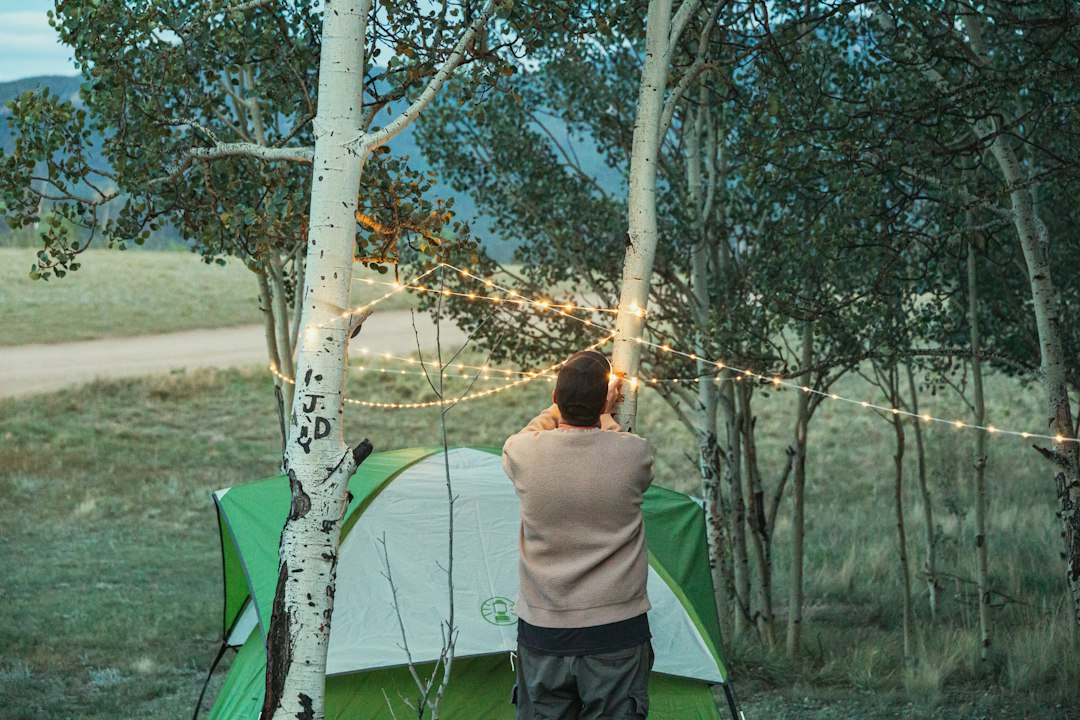
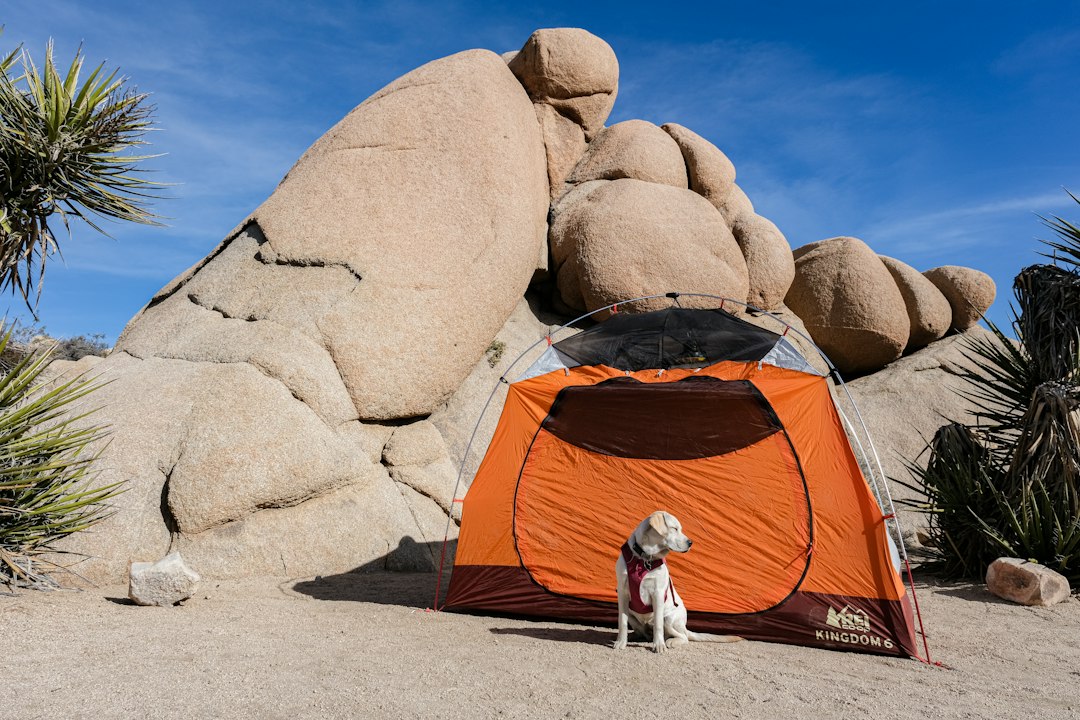
Set up with intention: position your tent away from the central picnic table and traffic flow, give your dog a shaded rest area, and create a predictable “dog zone” with bedding and toys. A small boundary—rope or low-visibility stake line—helps dogs learn limits without being punitive.
Nighttime safety and preventing theft or escape
At night, secure your dog inside the tent, vehicle or with a short sturdy tether under supervision. Use a collar light and keep their ID and tags on. If you must tether, attach to a low tree with a carabiner and swivel to prevent tangles and check regularly.
When to reconsider bringing your dog
Some trips aren’t dog-friendly: heavy cross-country hikes with dangerous terrain, areas with strict leash bans, or long drives without adequate rest breaks can be unsafe. If your dog is elderly, reactive to strangers, or not up-to-date on vaccinations, opt for a shorter car-camping trip first or leave them with a trusted sitter.
- Confirm campground rules and nearby emergency vet
- Pack measured food, extra water and collapsible bowl
- Assemble dog first-aid kit and copy of records
- Bring leash/harness, spare leash, ID and collar light
- Designate a supervised dog zone and plan quiet-hour management
Successful trips balance your dog’s needs with campground rules and neighbor comfort. Prepare predictable routines, pack selectively, and prioritize control and waste management so your dog is welcome on future trips.
Can I leave my dog tied up at a campsite?
Short supervised tethers are acceptable only in some campgrounds; leaving a dog unattended tied to a tree or post is unsafe and often prohibited. Check rules and never leave a tethered dog alone for long.
How much water should I bring per dog?
Plan roughly 1–1.5 liters per 10 lbs of body weight per day in warm weather, more for active dogs; carry a collapsible bowl for refills.
What if my dog barks at other campers?
Train recall and reward quiet behavior before a trip; use a crate or close supervision during sleep and quiet hours. If barking persists, consider a shorter outing or alternate accommodations.
Are there special vaccinations required for camping?
No universal extra shots are required, but ensure routine vaccines and parasite preventatives are current; consult your vet about leptospirosis or region-specific risks.
How do I prevent my dog from attracting wildlife?
Store food and trash securely, feed away from cooking areas, and pack out waste. Avoid leaving food smells on bedding or in the tent.