You show up after a long drive, open the trunk and face a pile of bins, a bulky folding chair, two lanterns, and half a quilt collection. The thought of lugging everything to the pitch and arranging it feels like chores instead of relaxation. Glamping essentials are about picking a small, multifunctional kit that delivers comfort without turning the campsite into a storage unit.
Here are practical, tested ways to make a campsite cozy while keeping your load light and your site tidy. Use the focus of each tip to reduce gear, sharpen choices, and make every item do more than one job.
Prioritize a defined comfort zone, not an inventory
Decide where you'll spend most time—inside the tent, on the porch, or around a chair circle—and outfit only that area. A 6–8 foot square seating zone with a compact chair, a small rug, and a light source creates instant coziness without needing a dozen extras. This reduces setup time and visual clutter.
Choose compact, multipurpose seating
Swap oversized camp sofas for a single compact folding chair with a low profile and a removable cushion. Consider a small sit-upon stool that doubles as a footrest or side table. When seating can collapse flat or nest, it stays out of the way when you want open space.

Layer textiles sparingly for warmth and style
A single heavyweight blanket or wool throw plus two compressible pillows gives the same cozy feel as a pile of linens. Wool or synthetic blankets keep warm when damp and compress into tight stuff sacks. Use color or texture to add “glam” without multiplying pieces—one patterned rug, one solid throw, one pillow works well.
Light smart: one primary lantern, one accent
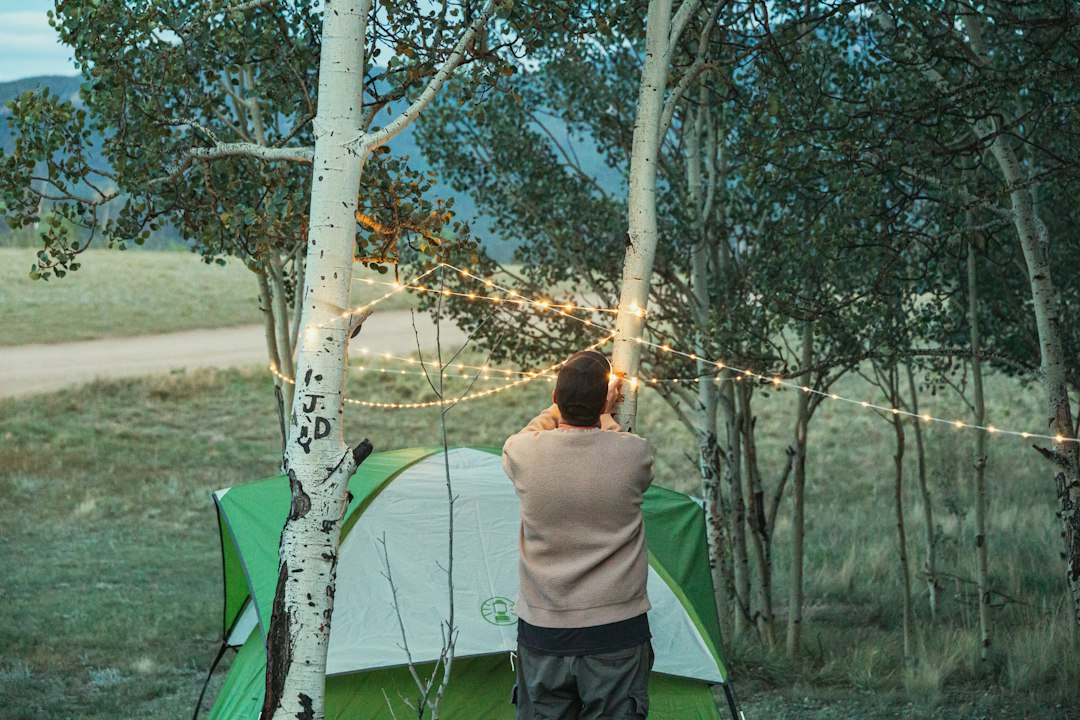
Pick a single bright rechargeable lantern for task lighting (cooking, tent entry) and a low‑glow string or candle-style light for ambience. Battery or USB rechargeable lanterns reduce the need for spare fuel. Hang string lights between trees or along the tent ridge to define the living area visually without crowding surfaces.
Kitchen essentials that live small
Limit kitchen gear to what you’ll actually use for the meal plan. A compact stove or single-burner, one small fry pan, one pot, a set of nesting bowls and plates, and a multipurpose utensil cover most needs. Collapsible silicone bowls and a magnetic utensil holder keep things tidy in a small footprint.
Why this helps: mounting a magnetic utensil holder to a cooler or metal surface saves counter space, keeps utensils clean and visible, and eliminates a bulky cutlery holder or hanging rack.
Storage that disappears: vertical and concealed
Use hanging organizers and interior tent pockets to keep surfaces clear. Install a tension rod across the tent vestibule to hold jackets or dishcloths. Soft-sided bins that collapse when empty and one discreet duffel for clothes keep the visual field minimal. Pack in clear, labeled cubes so you only open one when you need it.

Define paths and zones to reduce sensory clutter
Place the rug or mat at the entry and keep a clear walking strip between tent and cooking area. The brain reads open paths as calm; even a narrow defined zone without gear gives a sense of order. This is why a simple layout often feels more comfortable than a site full of furniture.
Choose decor that doubles as gear
Trade decorative pieces for functional items with style: enamel mugs, patterned blankets, and hand towels in coordinating colors. A low-profile folding table can be both coffee table and meal prep station. If you want plants or fresh flowers, bring a single small mason jar vase instead of multiple potted plants.
[h3]Keep cleanup easy to preserve the cozy vibe[/h3]A tidy site stays cozy. Bring one collapsible trash container, a small brush-and-dustpan set, and a wipeable tablecloth. Quick nightly pickup—pack dishes, stack chairs, zip clothing into the duffel—prevents the “dumping ground” look that kills ambience.
What to sacrifice and what to keep
If you must trim weight, let go of second chairs, extra decorative pillows, and duplicate light sources. Keep: reliable lighting, a warm blanket, a compact chair, one multipurpose cooking pot, and a small storage system. Those five cover safety, warmth, seating, food, and order.
Small comforts that have big impact
- Camp rug (small; easy to shake out): defines space and reduces damp feet.
- Quality blanket: warmth and texture; compressible and durable beats multiple light throws.
- Rechargeable lantern with dimming: task light plus mood control.
- Magnetic utensil holder: keeps cooking area uncluttered and utensils accessible.
- Collapsible storage cubes: sort clothes, food, and gear without bulky bins.
With those pieces you’ll create a campsite that feels intentional—comfortable, neat, and ready for longer stays—without hauling a household’s worth of extras.
- Pack one defined seating zone (chair + rug + light).
- Bring one heavyweight blanket and two compressible pillows.
- Choose a single bright lantern and one accent light.
- Use a magnetic utensil holder or single small utensil kit.
- Include one collapsible trash bin and one soft-sided storage cube.
Glamping essentials are about deliberate reduction: select multifunctional items, build one comfortable living zone, and keep surfaces clear with smart storage. The result is a cozy campsite that feels curated, not cluttered.
How much gear is too much for glamping?
If you find yourself needing more than a single seating spot, one primary light, one warm blanket, and a basic kitchen kit for planned meals, you probably have too much. Cut duplicates and decorative-only items first.
What’s the best lightweight rug for a campsite?
Choose a low-pile, water-resistant outdoor rug that fits your seating zone—about 4x6 feet is often enough. It should pack compactly and be easy to shake out.
Are rechargeable lanterns reliable for multi-night trips?
Yes—pick models with power-bank capability and dim settings. Bring a small solar panel or power bank for longer stays instead of extra battery packs.
How do I keep a small site tidy with kids or pets?
Assign a single soft-sided bin for toys and pet gear, establish a quick nightly tidy routine, and use a low-profile mat at the entry to limit dirt tracking.
Which single product returns the most tidiness for its size?
Soft collapsible storage cubes or a magnetic utensil holder create immediate order by corralling small items and keeping counters clear.