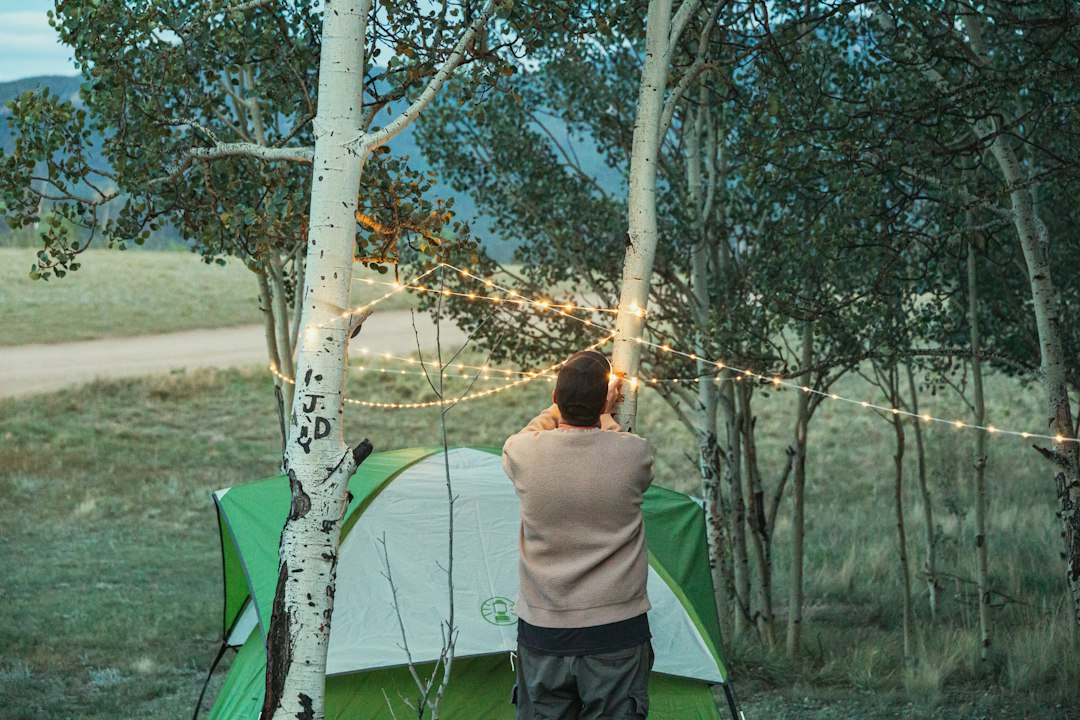
Real observation: you can sleep well in a small car if you plan the layout before you pack
Car camping in a small vehicle is less about cramming and more about decisions: pick one sleep layout, limit duplicates, and pack by immediate need rather than aspirational gear. The quickest answer is this—choose a sleep setup that matches your vehicle’s geometry, commit to a single compact mattress or pad system, and use modular storage so you can turn the trunk into a usable bedside in minutes.
Which sleep layout works best for small cars
There are three practical layouts for most small vehicles. Choose the one that fits your car and your comfort needs.
- Backseat+front passenger recline: Keep the front passenger moved forward and recline it to create a near-flat surface with the rear seat. Best for sedans and small hatchbacks where full rear-flat isn’t possible.
- Folded rear seats, cargo area sleep: Fold the rear seats and use the entire cargo length. Works well in hatchbacks and small SUVs where the floor is relatively flat when seats are down.
- Exterior vestibule + sleep platform: If interior length is too short for tall sleepers, create a short interior sleep space for shoulders and use a simple ground pad for feet in a small vestibule adjacent to the car. This keeps you mostly sheltered while gaining length.
Measure your vehicle’s longest interior flat length before shopping. That measurement dictates whether you need a full car air mattress, a 3/4-length pad, or a combination of pad plus pillow strategy.
Mattress and pad choices that fit small spaces
For the most compact and comfortable option in a small vehicle choose either a purpose-built car air mattress sized to backseat/cargo contours or a high-R-value roll-up pad paired with a lightweight blanket. The air mattress approach gives the feel of a bed and fills irregular gaps; solid foam or self-inflating pads save setup time and reduce noise.
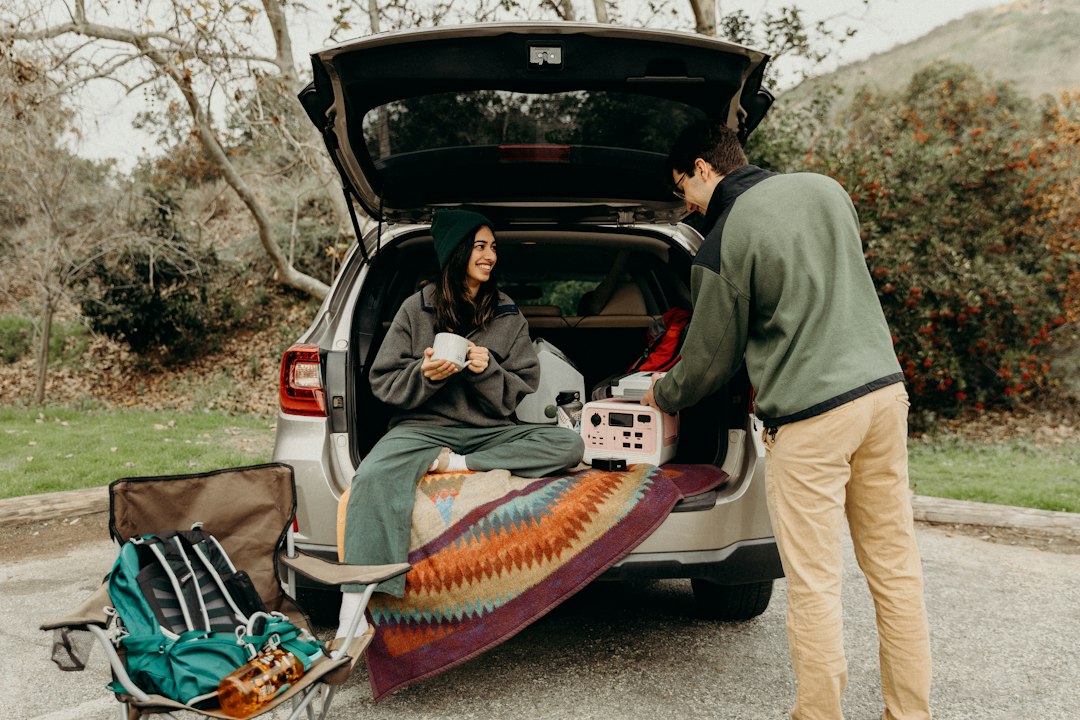
Product suggestion: if your layout uses the folded rear area or backseat, consider a Model 2057 car air mattress that’s designed for SUVs and trucks but also fits many hatchbacks because of split-flock construction and tapered edges that adapt to contours.
Trade-offs: air mattresses are warmer and more comfortable for side sleepers but require inflation space and can be punctured; foam or self-inflating pads are quieter, lighter and more durable but bulkier when stored. For two people in a small car, two slim pads or a split inflator mattress that nests in the rear often works better than one single wide mattress.
Packing strategy that wins space and time
Pack in functional zones so every item has a place and a purpose. Think “sleep,” “cook,” “clothes,” and “tools/essentials.” Use stackable bins or soft duffels rather than loose bags; bins double as surfaces or bedside tables when set inside the car.
- Night bin (reach-in): sleeping bag(s), pillow, headlamp, small water bottle, earplugs. Keep this at the top of the trunk so you can set up without unloading the whole car.
- Cooking bin (outside-accessible): stove, fuel, lighter, pot, dish soap. Place this at the rear so you can slide it out without crawling in.
- Clothes duffel: lightweight, compressible stuff sacks organized by day/night—keeps the seat area tidy.
- Tool/maintenance kit: jumper cables, small air pump, patch kit and basic tools—store under a seat or in a small side compartment.
When packing, reserve an easy-access wedge of floor space next to the driver seat for quick items (map, sunglasses, phone chargers). Label bins with a simple color or tape so you can find the night bin in dim light.
Small adjustments that make sleep actually restful
Pay attention to leveling, insulation and ventilation. Even small slopes under a pad feel like rolling; use compressed foam wedges or folded clothes to level the hip/shoulder area. In cooler weather, insulate under your pad—cold from the car floor will quickly sap warmth. For ventilation, crack a window slightly and use a mesh screen or magnetic mesh to keep bugs out.

Bring a compact camping pillow or use a stuff sack that you can tighten to desired loft—proper head support reduces neck strain when sleeping in a slightly angled car surface. Finally, plan a simple privacy solution: a light reflective sunshade for the windshield and removable window curtains or towels for side windows for darkness without permanent modifications.
How two people can share a small car without compromise
Two-person setups require coordinated decisions: who sleeps where, which side has headroom, and how to use roof storage. Common approaches are a split-mattress arrangement (two narrow pads side-by-side), diagonal sleeping (feet under a front seat), or one person in the car and one in an external small shelter. If space feels tight, prioritize lower bulk gear—thin mats, quilt-style sleeping bags, and compressible pillows.
External storage and load order to preserve interior space
Roof cargo boxes or soft rooftop bags free crucial interior space for your sleeping setup. If you choose a roof box, load bulky sleeping gear (spare blankets, camp chairs) on top and heavier items lower in the trunk. Keep fuel and hazardous items out of the passenger compartment—store them in a ventilated rooftop bag or a lockable trunk box.
Quick troubleshooting: common small-car annoyances and fixes
- Gap under rear seat: use a folded foam pad or rolled blanket to bridge and stabilize the mattress.
- Condensation on windows: ventilate and use moisture-wicking sleeping bags or a thin vapor-barrier layer under you.
- Noisy road sleepers: pick quieter campsites or use earplugs and a thicker pad to blunt vibration.
- Measure interior flat length—shop mattress/pad to fit.
- Create labeled bins: Night, Cook, Clothes, Tools.
- Choose single mattress or two slim pads based on seat layout.
- Pack insulating under-pad and a compact pillow.
- Store hazardous or bulky items on roof to free interior.
Car camping in a small vehicle succeeds when you reduce choices and design around the car’s shape: one sleep plan, one mattress strategy, and modular bins for fast setup. Small changes—insulation under the pad, a leveled surface and an accessible night bin—make the difference between a restless night and a comfortable one.
Can I fully lie flat in a compact hatchback?
Sometimes—measure your interior length first. Many hatchbacks fit a full-length inflatable mattress when the rear seats are folded; smaller sedans may need a diagonal or 3/4-length solution.
Is an air mattress worth it in a small car?
Yes if comfort is your priority and you can protect the mattress from sharp edges; otherwise a high-R-value pad is lighter, quieter and lower-risk for punctures.
How do I control condensation overnight?
Ventilate slightly, use a moisture-wicking liner or pad, and avoid storing damp clothes inside the sleep area; a small portable dehumidifier rarely fits the budget or space.
What should I keep in an overnight ‘reach-in’ bag?
Headlamp, pillow, sleeping bag, water bottle, earplugs, and any medications—items you want without unloading bins.
Can roof boxes be used on small cars safely?
Yes when the box is rated for your roof load and installed according to the vehicle and rack manufacturers’ limits; they’re excellent for freeing interior sleeping room.