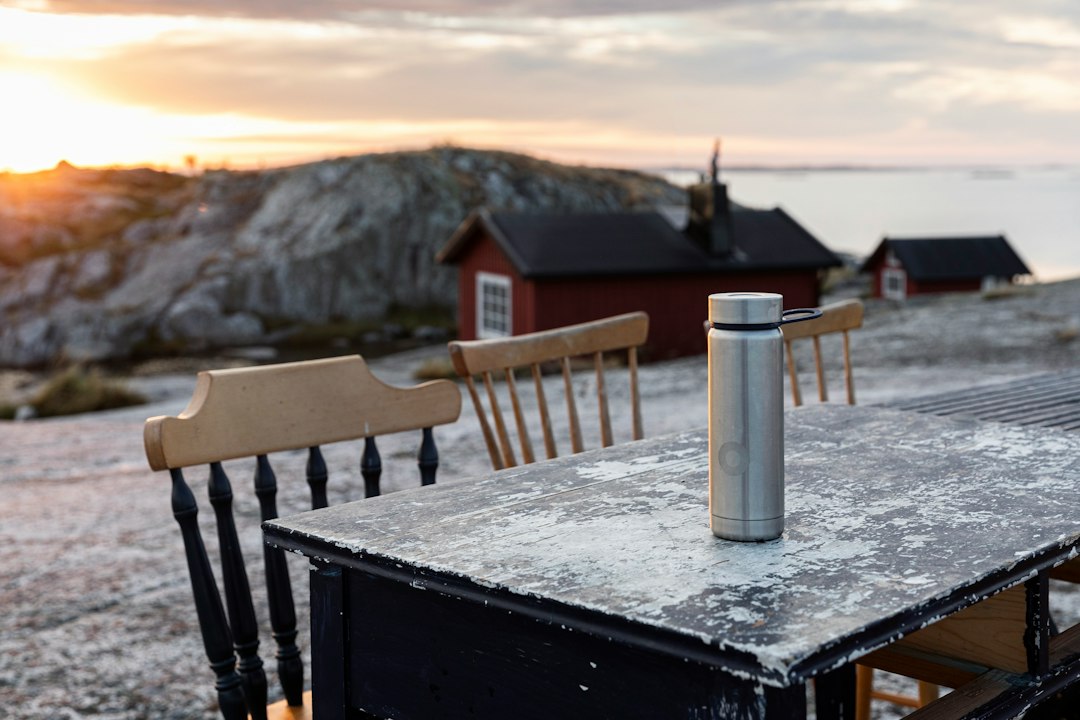
Start with the practical outcome: everyday water you can drink in subfreezing weather
If you want reliable, drinkable water on a winter trip, focus on preventing the most vulnerable points: the container mouth and small bottles, and keeping reserve water from turning into a block of ice you can’t pour. Ignore elaborate lab setups and large electric heaters unless you’re in an RV—simple insulation, smart placement, and intermittent heat will solve most problems.
Core tactics to keep water from freezing (what to do, in order)
The fastest path to success is: choose the right container, place it where it’s warmest, add insulation, and use low-level heat when needed. Follow these steps in sequence.
1. Use containers that resist freezing
Focus on wide-mouth thermoses and thicker-wall jugs. Narrow, thin plastic bottles freeze fastest because they’re small and transfer heat quickly. A stainless-steel vacuum flask for your daily drinking water and a food-grade plastic water jug for reserves are ideal—the flask gives immediate hot/sip water, the jug stores bulk.
2. Store water where it’s warmest and protected
Placement matters more than wrapping. Inside the tent vestibule, inside your sleeping bag sleeve, or under insulation inside your vehicle will all keep water several degrees warmer than exposed cold. For backpackers, keep a bottle in the sleeping bag at night (see safety note below). For car or RV campers, store jugs inside the vehicle—not in the cabinetry directly exposed to outside walls.
Even a few degrees warmer is enough to prevent a bottle from freezing. Microclimates (under gear, next to a warm stove, inside a sleeping pad pocket) are your allies.
3. Insulate smartly
Insulation reduces the rate of heat loss. Use foam sleeves, neoprene cozies, fleece socks, or even a tightly rolled sleeping pad around the jug. Wrap the body and the cap—air around the mouth is where freezing often starts. For large jugs, drape a closed-cell foam pad and secure it with straps or bungee cords.
4. Use small heat sources when needed
Low, controlled heat prevents freezing without wasting fuel. Options:
- Hot water trick: boil water and pour it into your thermos or larger jug to raise internal temperature before sealing.
- Hand warmers: place chemical or rechargeable hand warmers against the bottle in a cozy; they output low, steady heat for several hours.
- Camp stove warming: every 12–24 hours, warm the reserve jug briefly (do not put plastic jugs directly on flames).
- Vehicle heaters: for car campers, route small jugs near heater vents but avoid direct heat that could deform plastic.
5. Make dispense easy to avoid frozen mouths
To drink without chipping ice, keep a thermos for immediate sips and use wider-mouthed containers for pouring. If a jug’s spigot freezes, tip the jug and pour from the opening after thawing the cap slightly with a warm hand or warm water in a cup. Small disposable or pump-style spouts are more likely to freeze than screw caps—choose accordingly.
Gear suggestions that solve the problem
For most winter campers, a single good thermos plus one insulated reserve jug covers drinking and cooking needs. If you want a practical store match here’s a useful option to consider after you’ve decided on capacity and carrying method:
Quick fixes and emergency hacks
When things go wrong, use these field fixes.
- If a bottle is frozen shut: pour hot water over the cap (not into the bottle) to loosen the seal.
- Need quick drinkable water and everything is frozen? Melt snow on your stove, but always boil or treat—snow is mostly air and won’t hydrate you efficiently unless melted into water first.
- Seal small gaps: wrap exposed threads with duct tape to slow ice build-up.
Troubleshooting common scenarios
My thermos tastes metallic or cooled too fast
Thicker vacuum flasks keep heat; pre-warm a thermos with boiling water before filling. If metal taste bothers you, use a silicone or BPA-free plastic straw cup inside the lid for sipping.
My large jug froze solid overnight
This usually means it was too exposed or not insulated. For the rest of the trip: move the jug into the tent vestibule during the coldest hours, wrap it in foam, and warm it briefly with hot water in the morning.
My spigot iced over and won’t pour
Thaw the spigot using warm hands or warm water. If irreversibly frozen, remove the spigot and pour from the opening—or keep a spare spigot or a jug without an external spout.
Safety and comfort trade-offs
Don’t sleep with a full, sealed plastic bottle pressed against your body—if the bottle leaks or ruptures you risk damp insulation and hypothermia. A partially filled wide-mouth thermos in your sleeping bag is safer. Also be cautious with open flames or hot pots inside tents; use stoves outside or in well-ventilated vestibules per the stove manufacturer’s guidelines.
- Pack a vacuum-insulated thermos for daily drinking.
- Choose a thick-walled, food-grade reserve jug for storage.
- Bring foam or neoprene insulation for bottles and jugs.
- Plan storage: tent vestibule, sleeping bag sleeve, or inside vehicle.
- Carry a small heat option: stove, hand warmers, or hot-water supply.
- Know how to thaw spigots and loosen caps safely.
Keeping water from freezing in winter camping is mostly about simple prevention: use the right containers, store them in the warm microclimates you already have, insulate, and apply low, controlled heat when necessary. These measures keep water accessible without complex gear.
Can I keep water in my sleeping bag overnight?
Yes—place a well-sealed thermos or small bottle in a sleeve or sock inside your sleeping bag to keep it from freezing; avoid large containers that could leak and dampen insulation.
Is boiling water and refilling a thermos enough to prevent freezing?
Boiling and filling a vacuum thermos raises internal temperature and helps for many hours, but insulation and placement still matter for multi-day trips.
Are battery-heated bottles worth it?
They work well for stationary campers or vehicles but add weight and charge management; for most winter backpacking, passive insulation plus hand warmers is simpler.
How do I prevent an RV water line from freezing?
Keep water lines insulated, run heat from the vehicle into cabinets, and use inline heated hoses or antifreeze systems designed for potable water if you expect sustained subfreezing conditions.
Can I leave water jugs outside during the day?
Short exposures during daytime are usually fine if the sun warms them; long cold snaps will freeze them—insulate and move to warmer storage overnight.