What really matters—and what to ignore when planning a multi-stop camping road trip
When your goal is a multi-stop camping road trip without rushing, the core decision is simple: plan for time, not distance. The temptation to maximize miles or tick off many parks is what makes trips feel rushed. Ignore arbitrary mileage targets and social-media “must-do” lists; they don’t make a trip better. Focus on how many relaxed hours you want each day, the type of nights you’ll enjoy (primitive, RV full-hookup, or front-country tents), and which stops are worth lingering at.
Quick, actionable plan: schedule by experience, not miles
Decide how many full “activity days” you need versus travel days. A one-night stop is fine for logistical breaks, but aim for two nights at places where you want to hike, paddle, or explore. Typical low-stress mixes look like:
- Short road trip (3–6 nights): 2 travel days + 1–2 two-night stays + 1 buffer night.
- Week+ trip: alternate travel days with 2–3 night stays, and insert at least one full rest day mid-trip.
Keep daily driving to a comfortable range—2–4 hours of driving gives you time to set up, cook, and enjoy the evening. If you need to cover larger gaps, book a mid-route paid campground with easy arrival and departure to avoid late-night navigation stress.
Choose campsites that match the pace you want
Not all campsites are equal for a relaxed multi-stop trip. When you’re moving often, prioritize:
- Easy reservations and flexible cancellation policies (to keep plans fluid).
- Drive-up sites with level pull-through spaces if you have a trailer or a larger vehicle.
- Close proximity to the activities you care about (trailheads, rivers, towns) so you waste as little time as possible after arrival.
Reserve must-have nights (popular parks, holiday weekends) and leave optional stops unbooked so you can extend a place you like. If you prefer spontaneity, aim for campgrounds with first-come-first-served loops but have a backup list of paid sites along your route.
Pack and organize for fast setups and quick departures
The gear you bring should reduce setup time and friction at each stop. Think modular: what you need for one night should be quick to access; deeper stowed items are for longer stays.
- Use a single “overnight” tote with essentials—sleeping gear, a change of clothes, toiletries, and a compact cook kit—so you can leave most luggage in the vehicle and pull only what’s needed for short stays.
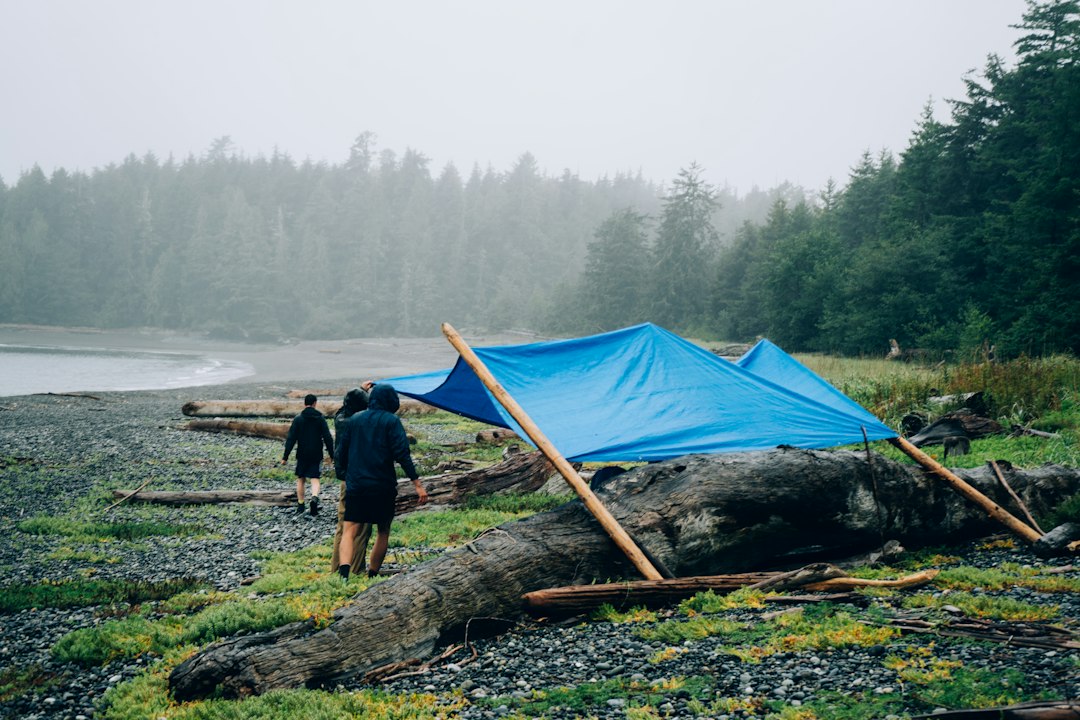
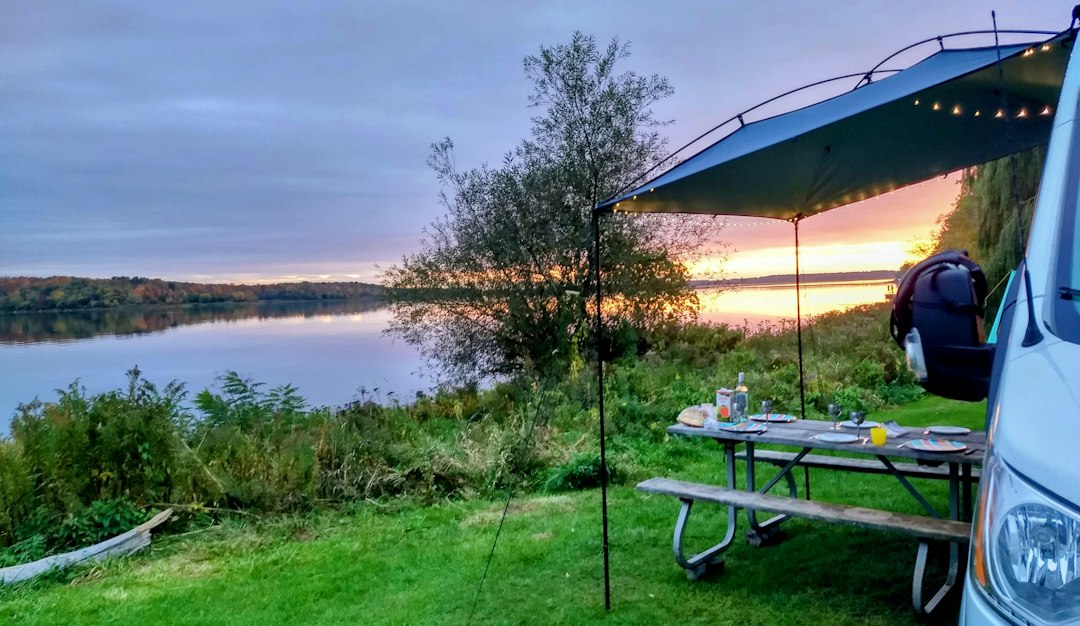
- Choose a simple shelter: a freestanding tent with fast poles or a pop-up rooftop tent speeds setups. If car camping, a tarp awning or compact gazebo gives relaxed living space without complex assembly.
- For food, plan dinners that are quick but satisfying (one-pot meals, grill packs, or prepared salads). A small camp stove and a portable cooler dramatically cut grocery-store detours and time spent prepping.
Product fit: for road trips with multiple short stops, reliable cooling keeps food fresh and cuts waste. A compact, efficient electric cooler lets you boondock longer and avoid nightly grocery runs.
Balance comfort and weight: choose what to carry and what to leave at home
Every extra item invites decision fatigue at each stop. Prioritize comfort items that multiply value across stops (sleeping pillows, camp chairs, a small cutting board) and skip things that are used only once. If you’ll alternate between primitive and developed sites, pack a collapsible water container and a lightweight, portable toilet if privacy and convenience matter.
Smart trade-offs
- Comfort vs. speed: a bigger tent is more comfortable but takes longer to pitch. If you’re changing sites every night, prefer faster shelters.
- Cooking gear vs. simplicity: a full camp kitchen is great for longer stays; for frequent moves, a compact stove and prepped meals save time.
- Power needs: bring a modest portable power station or 12V fridge if you need refrigeration or phone charging during long stretches; otherwise rely on car charging for short legs.
Route planning tactics that preserve spontaneity
Build a “soft itinerary”: pick key anchor stops you won’t miss, then map secondary options spaced to limit daily driving. Use travel time windows rather than exact arrival times—aim to arrive at the next site by late afternoon. Track campground reservation deadlines so you can cancel or extend without penalties. Leave buffer time for weather delays, scenic detours, or a longer hike.
On-the-road habits that keep the trip unhurried
- Start travel days after breakfast and mid-morning—this keeps mornings peaceful and reduces rushed packing.
- Take breaks every 1.5–2 hours to stretch, hydrate, and reset; short hikes or a picnic make the road part of the trip.
- When a place feels worth more time, be ready to extend your stay by a night instead of forcing the next stop.
Family or group dynamics: planning with other people
Agree on a shared rhythm before you leave: how many activity days vs. travel days everyone wants, how late driving will go, and whether spontaneous decisions require group consensus. Assign clear roles—navigator, cook, campsite setup—to prevent repeated debates at each stop. For mixed-experience groups, alternate challenging days (long hikes) with easier rest days.
Weather, safety and contingency planning
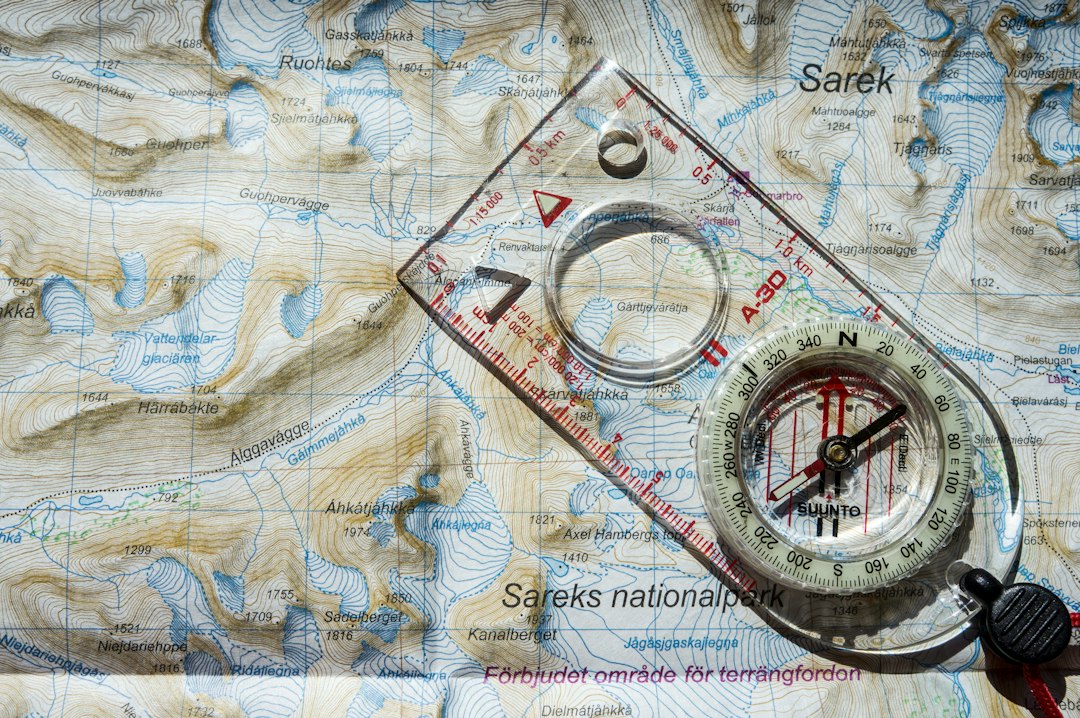
Check forecast corridors rather than just local weather for each stop; storms can alter driving conditions and campsite comfort. Pack a basic repair kit (tire repair, jumper cables), know towing and roadside service contact info, and carry printed maps for remote areas with poor cell coverage. If traveling in bear country or other wildlife zones, follow local food storage rules to avoid forced relocations.
Wrapping up the trip without that rushed feeling
Finish your last anchor stop with an easy travel day home—avoid a tight, late arrival. Allow one “decompress” day post-arrival to unpack, clean gear, and rest so the end of the trip doesn’t blur into chores.
- Decide how many two-night stays versus one-night transit stops you want.
- Reserve must-have campgrounds; keep flexible stops unbooked.
- Create an "overnight" tote for quick access to essentials.
- Limit daily driving to 2–4 hours where possible.
- Pack fast-setup shelter and a compact camp stove or grill.
- Include a small cooler or portable fridge option for longer flexibility.
To avoid rushing, plan by time and experience rather than miles: anchor a few multi-night stays, keep daily drives short, pack for fast setups, and leave wiggle room for unexpected enjoyment. Small planning choices add up to a calmer, more memorable trip.
How many miles per day should I plan on driving?
Plan for 2–4 hours of driving per day—roughly 100–200 miles depending on roads—to leave time for setup and activities at each site.
Should I reserve every campsite in advance?
Reserve nights at popular or must-see parks; keep some nights flexible so you can extend favored locations or pivot if weather changes.
What is the most useful gear for frequent stops?
An overnight tote, fast-pitch tent or rooftop tent, compact camp stove, folding chairs, and a reliable cooler or 12V fridge make frequent stops easier.
How do I handle meals on a multi-stop trip?
Favor simple, repeatable dinners (one-pot, foil packets, grilled proteins) and prep breakfasts/snacks ahead to minimize time cooking and grocery runs.
How much flexibility should I build into the itinerary?
Build at least one unplanned day for every 5–7 travel days and keep one or two optional stops so you can linger where you want without derailing the route.