Short answer: start by cutting base weight—sleep system, pack fit, then shelter, clothing, and food
If you want the biggest drop in carried weight with the least risk, prioritize lowering your base weight: the sleeping system (pad + bag or quilt), an appropriately light but well-fitting pack, and a simple, reliable shelter. After those, trim clothing and food/fuel; treat technical items and electronics last. Ultralight backpacking gear choices trade grams for comfort and redundancy—so make small, reversible changes at first and test them on short trips.
What “base weight” means and why beginners should focus there
Base weight is everything you carry except consumables (food, water, fuel). It’s the stable part of your pack that determines how light you truly feel on day one. Reducing base weight shrinks load daily carrying strain and makes water and food management easier because your pack starts lighter.
Priority 1: Sleep system—comfort equals safety and real weight savings
The single biggest comfort-to-weight payoff is an efficient sleep system. A warm, compact sleeping pad and an appropriate-rated quilt or sleeping bag let you sleep well on fewer nights’ rest and prevent cold-related misery.
- Choose an insulated inflatable pad in the 12–20 oz range for multi-season use; test it at home for leaks and firmness.
- Prefer a quilt over a mummy bag if you sleep on your side and want lower weight—but only after trying both; quilts require good pad overlap and knowledge of layering.
- Bring a light pillow substitute (hoodie stuffed or inflatable pillow) rather than a heavy camp pillow.

Priority 2: Pack that fits—weight saved by ergonomics, not fabric ounces
A lighter pack that doesn’t fit will wreck your back and energy. Fit and suspension transfer load efficiently, letting you carry less perceived weight. Start by fitting to torso length and hip belt placement; avoid ultralight frameless packs until you’ve proven you can sleep comfortably on a thin pad and carry heavy food loads.
Look for packs that let you remove nonessential straps or have removable frames; a pack offering 30–45L is often ideal for beginners aiming to go ultralight without extreme gear minimalism.
Priority 3: Shelter—simple, weather-appropriate choices
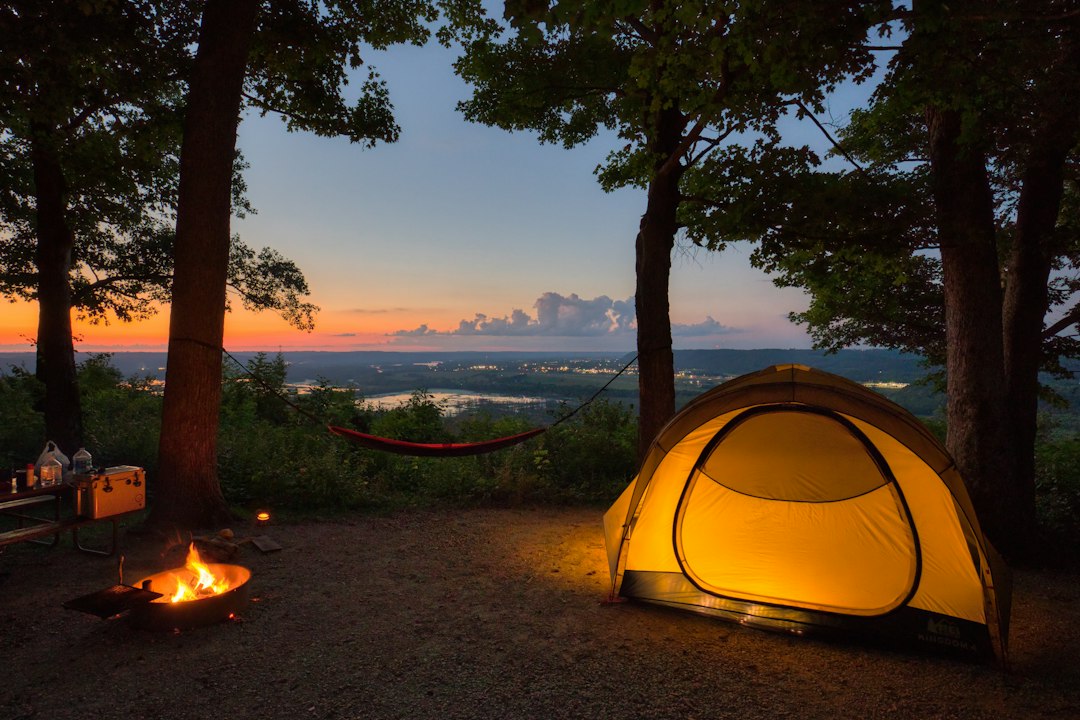
Shelters vary from single-wall tents to tarps and bivys. As a beginner, select a shelter that balances simplicity, weather protection, and weight.
- Three-season single-wall tents give fast setup and bug protection at moderate weight—good for variable conditions.
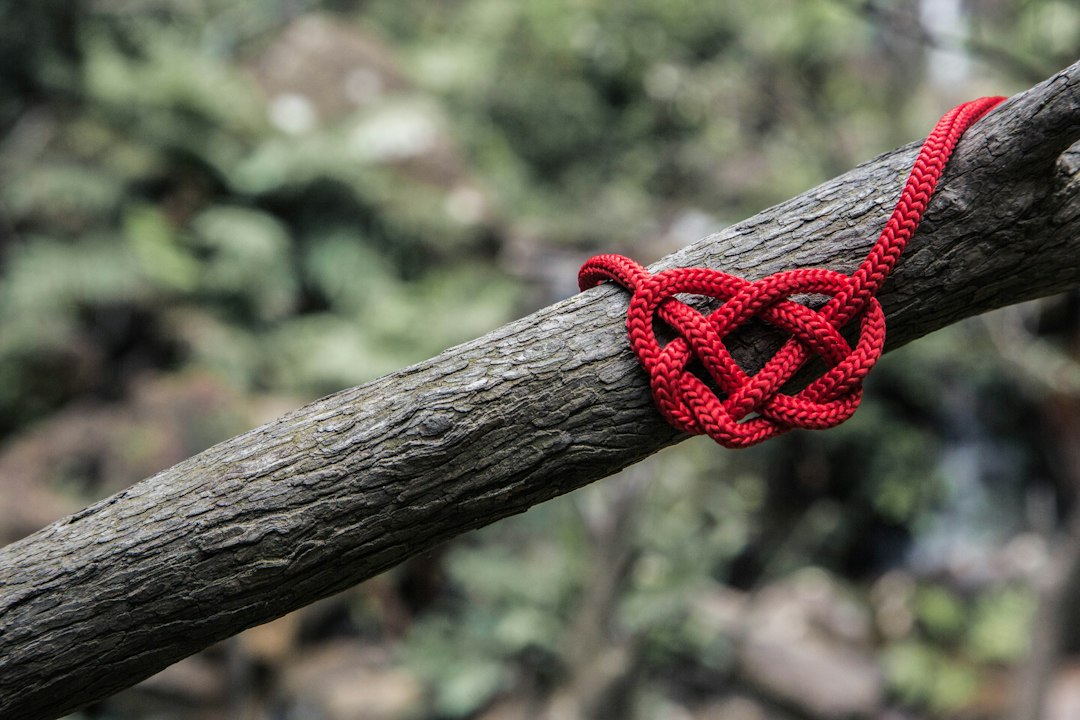
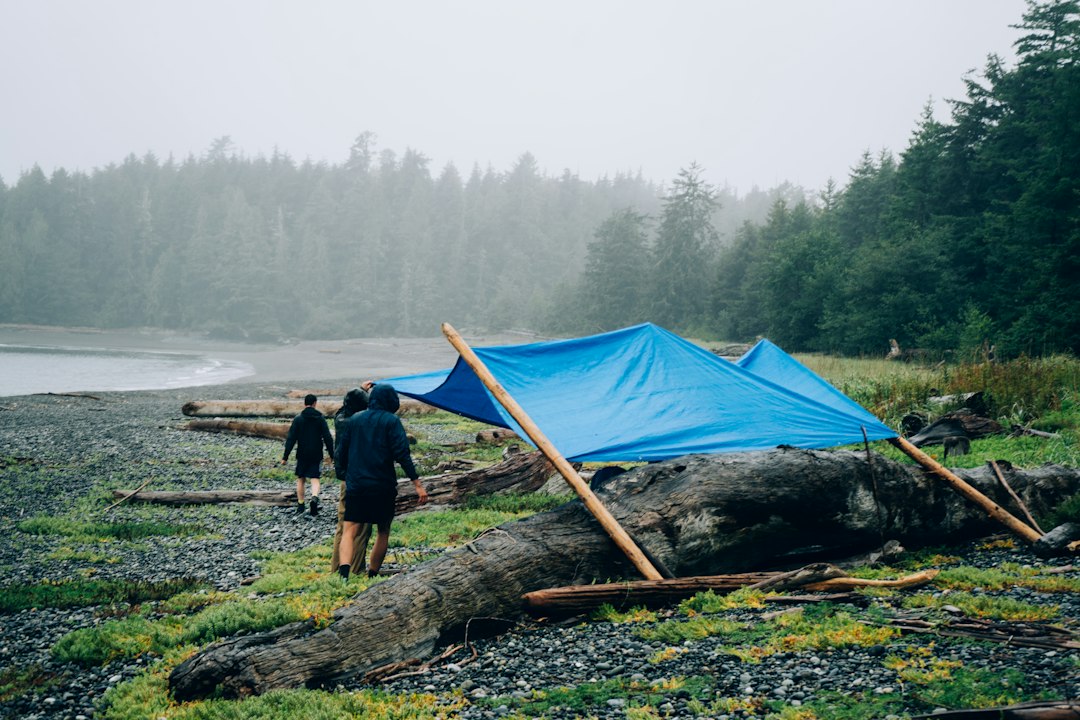
- Tarp + bivy systems can be far lighter but require campsite selection skills and confidence with tarping knots.
- If you expect storms or cold nights, favor protection and slightly higher weight rather than a risky ultralight shelter.
Priority 4: Clothing—layer smart, not minimal for its own sake
Clothing should be chosen to meet the coldest expected campsite plus active hiking needs. Aim for a capsule of lightweight pieces that multi-task: a breathable base layer, an insulating midlayer (down or synthetic), a lightweight rain shell, and comfortable socks. Don’t sacrifice warmth at camp to shave ounces—safety and sleep depend on it.
Priority 5: Food, water and fuel strategy
Food and water are consumables that vary daily—plan to carry less by resupply planning and knowing water sources. Swap heavy cans and fresh produce for high-calorie lightweight meals and consider dehydrated backpacking meals and compact snacks. A simple ultralight stove or alcohol stove can save ounces, but make sure you can reliably cook and melt snow where needed.
Gear trade-offs and where to spend vs. save
Spend on things that reduce fatigue and increase safety: a quality sleep pad (comfort affects recovery), a properly fitted pack, and a dependable shelter. Save by choosing cheaper ultralight clothing layers that you can test and replace later, or by using durable secondhand items for low-impact pieces.
- Spend: pad, pack fit/adjustment, reliable shelter.
- Save: camp cookware (choose one-pot systems), non-critical extras, and emergent gadgets.
A recommended starter product to lower your base weight
If you’re replacing only one item first, a compact insulated inflatable sleeping pad is the top practical upgrade: it reduces cold spots, improves sleep, and stashes small. It’s also reversible—you can easily try different pads later as you learn preferences.
How to test ultralight choices safely
Practice changes on overnight or weekend hikes near help and resources. Keep a journal: note pack weight, comfort, how you slept, and any unmet needs. If a lighter choice causes shivering, poor sleep, or gear failure, revert or adjust—the goal is sustainable weight reduction, not suffering.

Common beginner mistakes and quick fixes
- Buying the lightest item available without testing it—try or rent first.
- Removing redundancy too early (no spare layers or repair kit)—keep a minimal repair kit and a lightweight emergency layer.
- Underestimating food/water needs—plan conservative margins on first trips.
How much weight should a beginner aim to remove?
Rather than a single number, aim to reduce base weight enough to feel noticeably less fatigue over a day’s hike—often 3–7 lbs (1.5–3 kg) is meaningful. Track your pack weight and reduce one category at a time; you’ll preserve comfort and confidence.
When you’re ready to go lighter
Once you’ve dialed sleep, shelter and pack fit and regularly finish trips comfortably, consider more aggressive swaps: lighter quilt, frameless pack, tarp system. Each step should be reversible and validated on a short trip.
- Weigh current base weight and identify the heaviest three items.
- Prioritize a compact insulated pad or improved sleeping quilt first.
- Confirm pack fit on a loaded test hike; adjust hip belt and torso length.
- Choose a shelter that matches expected conditions, not just weight.
- Plan food resupplies and carry conservative water margins on first trips.
- Test every change on short trips before long-distance application.
Start ultralight by targeting base weight: a proper sleep system, a well-fitting pack, and a reliable shelter give the best comfort-to-weight return. Make changes incrementally and validate them with short trips to keep safety and enjoyment first.
How much should my base weight be as a beginner?
A reasonable beginner base weight (excluding food, water, fuel) is typically 12–18 lbs depending on season; focus on reducing the heaviest items first rather than hitting a specific number.
Is a quilt better than a sleeping bag for beginners?
Quilts can save weight but require learning to sleep with them and a good pad; beginners often prefer a traditional sleeping bag until they understand their sleeping habits and campsite temps.
Should I go frameless to save weight?
Frameless packs save ounces but shift load to your body and demand careful packing; don’t go frameless until you’ve tested sleep comfort and carrying endurance on short hikes.
What’s the safest ultralight swap to make first?
Swap your sleeping pad for a lighter, insulated inflatable—it's the highest-impact change for comfort and warmth with relatively low risk.
How do I balance weight vs. weather protection?
Prioritize reliable shelter and layering for expected worst-case weather on your route; carrying a few extra ounces is better than risking exposure or getting soaked.